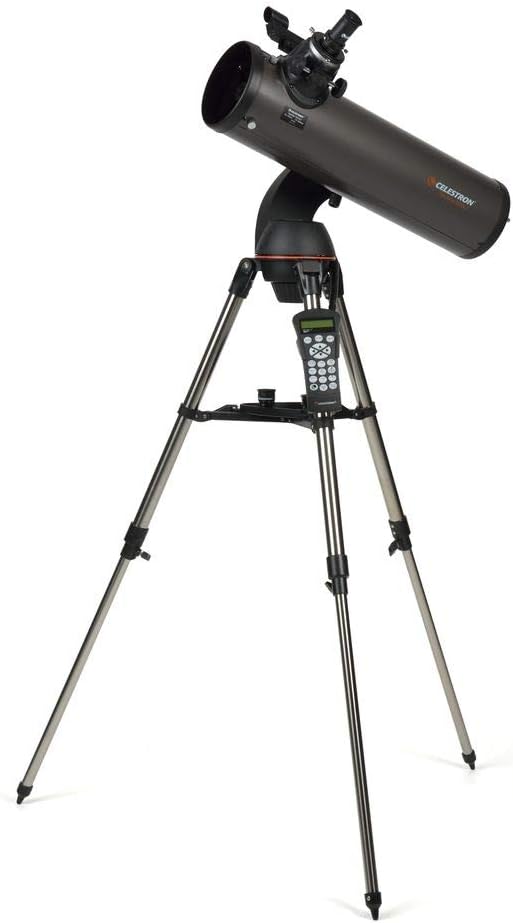
Quick Verdict
- Most beginners should buy Celestron: easier setup, wider availability, stronger software, and a clearer upgrade path.
- Choose Meade only for specific cases: premium LX200/LX600 deals, permanent visual setups, or used ACF scopes in excellent condition.
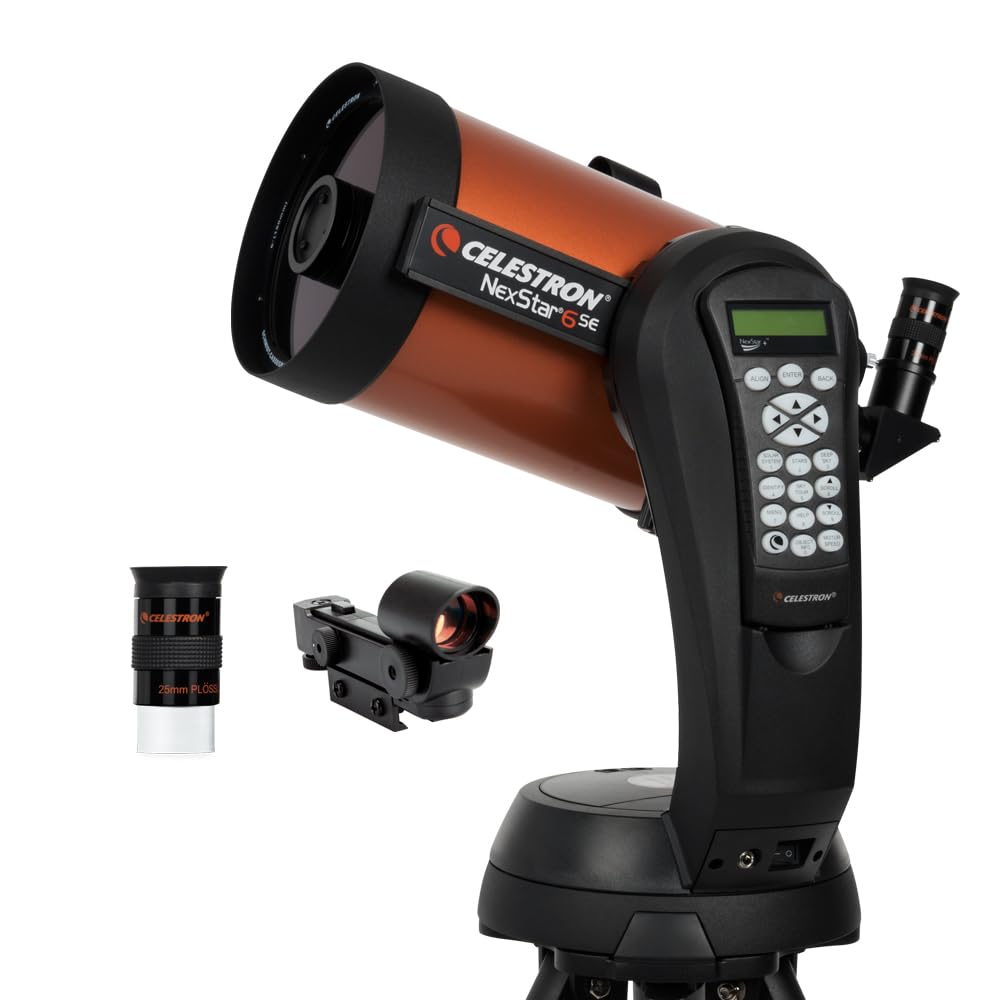
- Best beginner pick: Celestron NexStar 6SE for GoTo ease of use and enough aperture to keep the hobby interesting.
- Best premium decision: Celestron EdgeHD for astrophotography support; Meade LX200 ACF for serious visual observers who want a fork-mounted SCT.
- Bottom line: Celestron is the safer 2026 buy for most people, while Meade is still worth considering when the exact model and warranty situation are clear.
If you are choosing between Celestron and Meade today, Celestron is the safer buy for most beginners and intermediate users. The main reasons are easier alignment, broader dealer availability, better software support, and a simpler upgrade path if you later add cameras, filters, or computerized control.
Meade is not a bad brand, but it is a more specific buy. It makes the most sense when you are looking at a known premium LX-series model, a strong used-market deal, or a permanent visual setup where the fork mount and ACF optics matter more than app support and accessory ecosystem.
| If you want... | Buy | Why |
|---|---|---|
| Your first serious telescope | Celestron | NexStar and StarSense models are easier to learn and easier to resell. |
| Simple GoTo alignment | Celestron | SkyAlign, StarSense, SkyPortal, and CPWI are more beginner-friendly. |
| A premium visual SCT | Meade or Celestron | Meade LX200 ACF is still excellent, but compare warranty and seller support first. |
| Astrophotography upgrades | Celestron | EdgeHD, AVX/CGEM support, and third-party software compatibility are stronger. |
Below, we compare optics, GoTo technology, pricing, warranty, software, and specific model recommendations. If you just want the buying answer, Celestron wins for most shoppers; Meade remains a good choice only when the model and deal are right.
Celestron vs Meade: Head-to-Head Comparison
| Category | Celestron | Meade | Winner |
|---|---|---|---|
| Founded | 1964 (Torrance, CA) | 1972 (Irvine, CA) | Tie |
| Parent Company | Synta Technology (stable) | Orion Telescopes acquired assets (2020) | Celestron |
| Warranty | 2-year limited | 1-year limited | Celestron |
| GoTo Software | SkyAlign, StarSense, CPWI, SkyPortal app | AudioStar, AutoStar Suite | Celestron |
| Price Range | $50 to $9,000 | $100 to $18,000+ | Tie |
| Best Entry Scope | StarSense Explorer LT 80AZ (~$190) | StarPro AZ 80mm (~$160) | Celestron (StarSense tech) |
| Best Mid-Range | NexStar 6SE (~$900) | ETX-125 Observer (~$800) | Celestron (6" aperture vs 5") |
| Best Premium SCT | EdgeHD 8" on AVX (~$2,800) | LX200 8" ACF (~$3,500) | Close, slight Meade edge on optics |
| Dealer Network | Extensive (Amazon, B&H, OPT, Adorama) | Limited after 2020 restructuring | Celestron |
| Astrophotography | EdgeHD + CGEM II = proven platform | LX850 + StarLock = excellent but pricey | Celestron (better value) |
| Community Support | Huge user base, forums, YouTube content | Smaller but dedicated community | Celestron |
Key Differences That Actually Matter
GoTo Technology and Software
This is where Celestron pulls decisively ahead. Their ecosystem includes:
- SkyAlign: Point at any 3 bright objects, and the mount auto-aligns. No star charts needed.
- StarSense AutoAlign: A camera module that identifies the sky automatically. Zero-effort alignment.
- SkyPortal app: Free iOS/Android app with 120,000+ object database. Control your scope from your phone.
- CPWI software: Full desktop planetarium and telescope control software, free with any Celestron GoTo scope.
Meade offers AudioStar (a hand controller with built-in speaker for guided tours) and the AutoStar Suite. Both work well, but third-party software support (ASCOM drivers, planetarium program integration) is significantly stronger on the Celestron side. If you plan to connect your scope to a laptop for astrophotography, Celestron makes this noticeably easier.
Warranty and Company Stability
Celestron offers a 2-year warranty on all telescopes and has maintained consistent ownership under Synta Technology Corporation since 2005. Their customer service team is US-based and generally responsive within 48 hours.
Meade's history is more turbulent. The original Meade Instruments filed for bankruptcy in 2020, and its assets were acquired by Orion Telescopes & Binoculars. While the LX series continues production, the smaller dealer network and evolving support infrastructure mean warranty service can be slower. Before buying Meade, confirm your retailer is an authorized dealer, as gray-market imports may not carry warranty coverage.
Optics and Build Quality
At the entry and mid-range level, optics between the two brands are comparable. Both use Chinese-manufactured glass that performs well for the price. The real differentiation comes at the premium tier:
- Celestron EdgeHD: Uses a flat-field aplanatic Schmidt-Cassegrain design that produces pinpoint stars across the entire image field. This matters for astrophotography, where coma and field curvature ruin edge stars.
- Meade ACF (Advanced Coma-Free): A similar coma-correcting SCT design. Optically, it's on par with EdgeHD, and some users argue the ACF produces slightly better contrast on planets.
For visual-only observation, you won't notice a meaningful difference between equivalent Celestron and Meade optics. The differences become apparent in long-exposure astrophotography.
Price Comparison by Budget Tier
| Budget | Best Celestron | Best Meade | Our Pick |
|---|---|---|---|
| Under $200 | StarSense Explorer LT 80AZ ($190) | Infinity 70mm AZ ($100) | Celestron (StarSense tech alone is worth it) |
| $300-600 | NexStar 130SLT ($480) | StarNavigator NG 130mm ($450) | Celestron (better GoTo, bigger community) |
| $700-1,200 | NexStar 6SE ($900) | ETX-125 Observer ($800) | Celestron (6" aperture crushes 5" for deep sky) |
| $1,500-3,000 | NexStar Evolution 8" ($2,000) | LX90 8" ACF ($2,200) | Celestron (WiFi built-in, battery included) |
| $3,000+ | EdgeHD 8" on CGEM II ($3,200) | LX200 8" ACF ($3,500) | Depends on priority (see below) |
At the $3,000+ tier, the choice depends on your focus. For astrophotography, the Celestron EdgeHD on a CGEM II equatorial mount is the more proven and better-supported platform. For visual observation from a permanent setup, the Meade LX200's fork mount and ACF optics deliver superb planetary views with less fuss.
Celestron: What They Do Best
Celestron dominates the beginner and intermediate telescope market. Their strengths:
- NexStar SE series: The most popular GoTo telescopes on the planet. The 6SE and 8SE are recommended by nearly every astronomy forum.
- StarSense Explorer line: Uses your smartphone camera to identify the sky and guide you to objects. Revolutionary for beginners who don't know the constellations yet.
- EdgeHD series: Flat-field optics that compete with dedicated astrographs costing twice as much.
- Accessory ecosystem: Celestron's 1.25" and 2" eyepieces, filters, and camera adapters are widely available and competitively priced.
Read more: Is Celestron a Good Telescope Brand?
Meade: What They Do Best
Meade's strength lies in their premium SCT lineup. Where they excel:
- LX200 series: The LX200 8" ACF on a GPS-enabled fork mount is a serious visual telescope. The ACF optical design delivers exceptional contrast on planets, and the fork mount is more rigid than a German equatorial for visual use.
- LX600 series: Meade's flagship. The LX600 with StarLock (a built-in guiding camera) can automatically find and center objects with arc-second precision. Ideal for advanced users who want maximum performance.
- LX85 series: An underrated mid-range equatorial mount that competes with Celestron's Advanced VX at a lower price point. The LX85 with a 6" refractor or 8" Newtonian is solid for beginning astrophotographers.
Don't buy a Meade telescope expecting the same plug-and-play app experience as Celestron. Meade's AutoStar works well, but Celestron's SkyPortal app, CPWI desktop software, and StarSense camera integration are significantly more polished. If smartphone control matters to you, Celestron is the clear choice.
Our Verdict: Which Brand Should You Buy?
Our Pick: Celestron for 80% of buyers.
For beginners, intermediates, and anyone who values ease of use, software integration, warranty coverage, and resale value, Celestron is the stronger choice in 2026. The NexStar 6SE ($900) is the single best telescope-for-the-money in the GoTo category, and the StarSense Explorer line has made Celestron the default recommendation for first-time buyers.
Choose Meade if: You're an experienced observer who wants the LX200 or LX600 for a permanent or semi-permanent setup. Meade's ACF optics and StarLock guiding system are genuinely excellent, and the fork-mounted LX200 remains one of the best visual SCTs ever made. Just be prepared for a smaller accessory ecosystem and potentially slower warranty service.
The bottom line: Celestron is the Toyota of telescopes: reliable, widely available, great value, huge aftermarket. Meade is the Subaru: loyal fanbase, excellent in its niche, but less mainstream support. Both make good products. Celestron just makes the buying decision easier for most people.