As an Amazon Associate, we earn from qualifying purchases.
The Moon is bright and forgiving. The right pick depends on how much detail and tracking you want.
Enough aperture for craterlets and rilles with GoTo tracking.
Big lunar detail per dollar if you are comfortable nudging by hand.
Simple, sharp, low-maintenance Moon views from a balcony or yard.
The Moon needs stable optics and a decent mount more than a high-power sticker.
Rule of thumb: For lunar observing, stable mounting and sharp optics matter as much as aperture.
The Moon is the single best target for any telescope. It is bright enough to observe from a city balcony, detailed enough to keep experienced astronomers busy for decades, and changes appearance every single night as the terminator sweeps new terrain into view.
We ranked 9 telescopes specifically for lunar performance, from budget starter scopes to premium GoTo systems. We compared them on three criteria: how much lunar detail it resolves, how stable the mount is at high magnification, and how much value it delivers per dollar.
Quick Comparison Table
| Telescope | Aperture | Type | GoTo? | Lunar Detail | Best For |
|---|---|---|---|---|---|
| 1. Celestron NexStar 8SE | 203mm | SCT | ✅ | ⭐⭐⭐⭐⭐ | Best overall |
| 2. Celestron NexStar 6SE | 150mm | SCT | ✅ | ⭐⭐⭐⭐ | Mid-range GoTo |
| 3. Sky-Watcher Flextube 200 | 203mm | Dob | ❌ | ⭐⭐⭐⭐⭐ | Best value |
| 4. Celestron NexStar Evolution 8 | 203mm | SCT | ✅ | ⭐⭐⭐⭐⭐ | Premium WiFi |
| 5. Sky-Watcher Virtuoso GTi 130P | 130mm | Reflector | ✅ | ⭐⭐⭐⭐ | Compact GoTo |
| 6. Celestron StarSense DX 130AZ | 130mm | Reflector | App | ⭐⭐⭐⭐ | Best beginner |
| 7. Celestron Astro Fi 130 | 130mm | Reflector | ✅ | ⭐⭐⭐ | WiFi GoTo |
| 8. Celestron Inspire 100AZ | 100mm | Refractor | ❌ | ⭐⭐⭐ | Best refractor |
| 9. Celestron AstroMaster 130EQ | 130mm | Reflector | ❌ | ⭐⭐⭐ | Budget EQ mount |
What You Will Actually See on the Moon
The Moon is covered in detail visible through any telescope. Here is what to expect at each aperture level:
- 60-80mm: Major craters (Copernicus, Tycho, Clavius), maria boundaries, the Apennine mountain range, bright ray systems. The terminator looks dramatic and three-dimensional.
- 100-130mm: Smaller craters within larger formations, central peaks, the Straight Wall (Rupes Recta), Hadley Rille near the Apollo 15 site, crater chains, and the alpine valley.
- 150-200mm: Tiny craterlets inside Plato's floor, the collapsed lava tubes of Rima Hyginus, terraced crater walls in exquisite detail, wrinkle ridges within the maria, and domes near the Marius Hills.
- 250mm+: The finest detail visible from Earth. Individual boulders near large crater rims, micro-rilles, extremely subtle albedo variations, and the complete interior structure of complex craters.
Full Moon is the worst time to observe. The overhead sunlight eliminates all shadows, making the surface look flat and washed out. The best lunar detail appears during crescent and quarter phases, when the terminator creates dramatic shadows that reveal the Moon's topography in three dimensions. First Quarter is the perfect starting point.
1. Celestron NexStar 8SE - Best Overall for the Moon
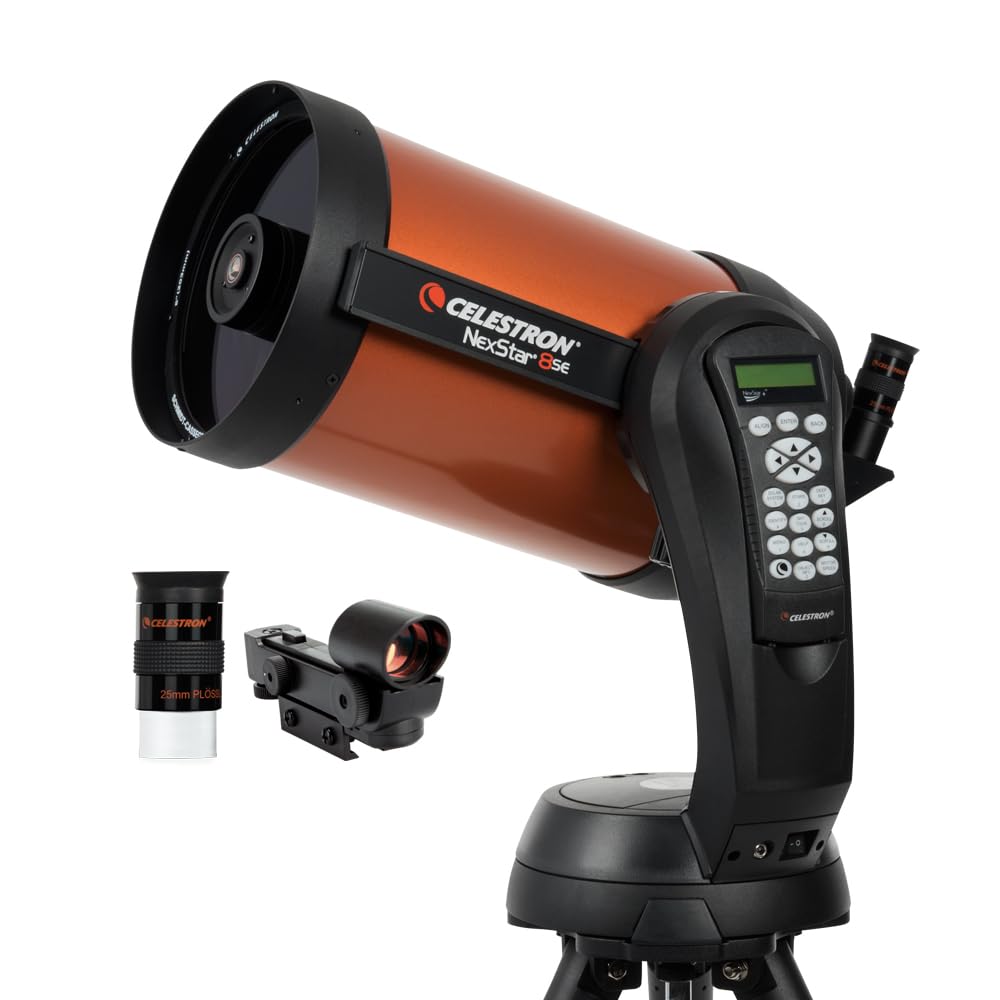
The NexStar 8SE earns the top spot because it combines the aperture needed for serious lunar detail with the convenience of automatic GoTo tracking. Its 203mm Schmidt-Cassegrain optical tube at f/10 produces naturally high magnification and excellent contrast, both critical for revealing fine lunar features.
What you will see: At 150x, the terminator becomes a landscape of shadow and light with individual crater walls casting long shadows. At 200x on a steady night, Copernicus reveals its terraced inner walls and central peak complex. Plato's dark floor shows tiny craterlets that most smaller scopes miss entirely. The Straight Wall appears as a razor-sharp line dividing sunlit and shadowed terrain.
The GoTo mount finds the Moon instantly and tracks it automatically, which matters more than people think. At 200x+, the Moon drifts out of the eyepiece field in under a minute without tracking. The 8SE keeps it centered so you can study features without constant nudging.
Considerations: The included 25mm eyepiece gives only 81x. Add a 9mm or 5mm eyepiece to reach the 200-400x range where lunar detail lives.
2. Celestron NexStar 6SE - Best Mid-Range GoTo
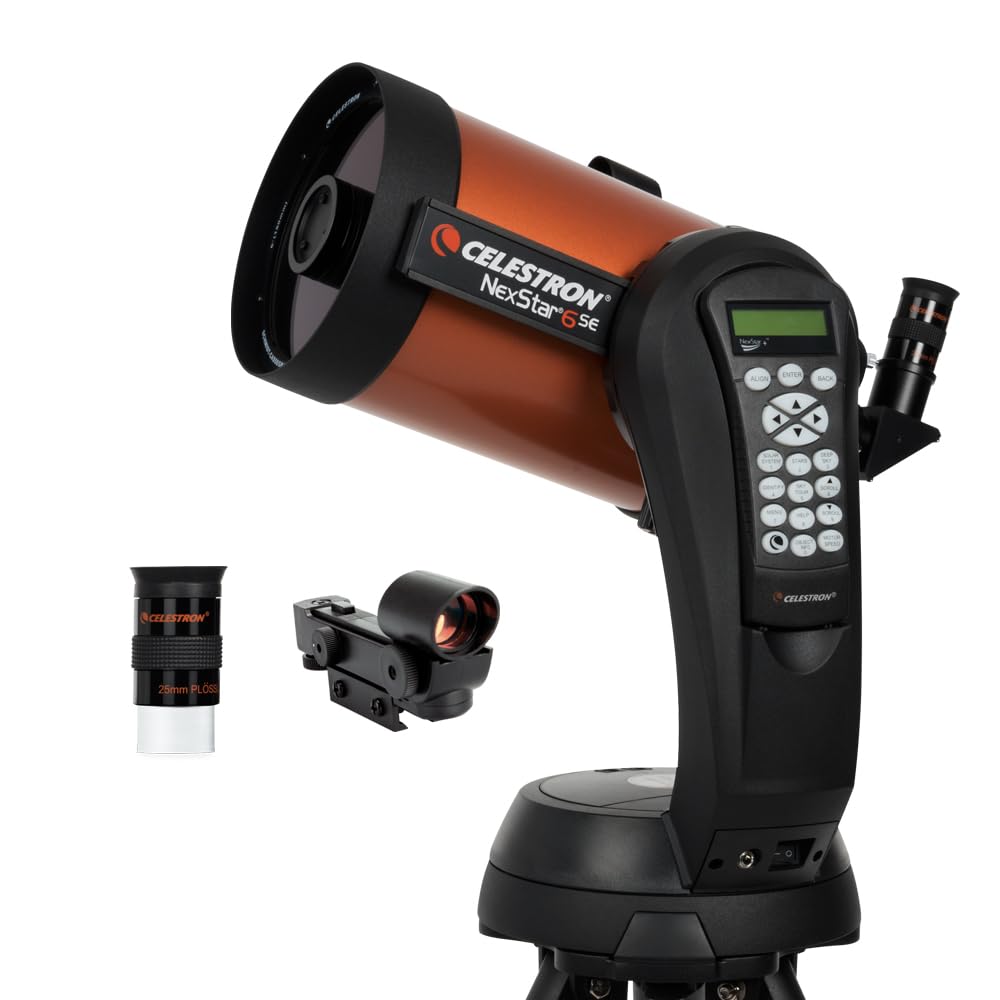
The 6SE delivers about 80% of the 8SE's lunar performance at a significantly lower price and weight. The 150mm aperture resolves all major craters in sharp detail, shows the Straight Wall clearly, and reveals terraced crater walls in the larger formations like Copernicus and Aristarchus.
At 30 lbs total, it is noticeably more portable than the 8SE. The GoTo system is identical: 40,000+ object database, SkyAlign setup, and automatic tracking. For Moon observation specifically, the lighter weight means you are more likely to bring it outside on a weeknight, which matters more than any spec sheet.
Considerations: The 6-inch aperture will not resolve the finest craterlets that an 8-inch shows. But for 90% of lunar observing, you will not miss them.
3. Sky-Watcher Flextube 200 Dobsonian - Best Value
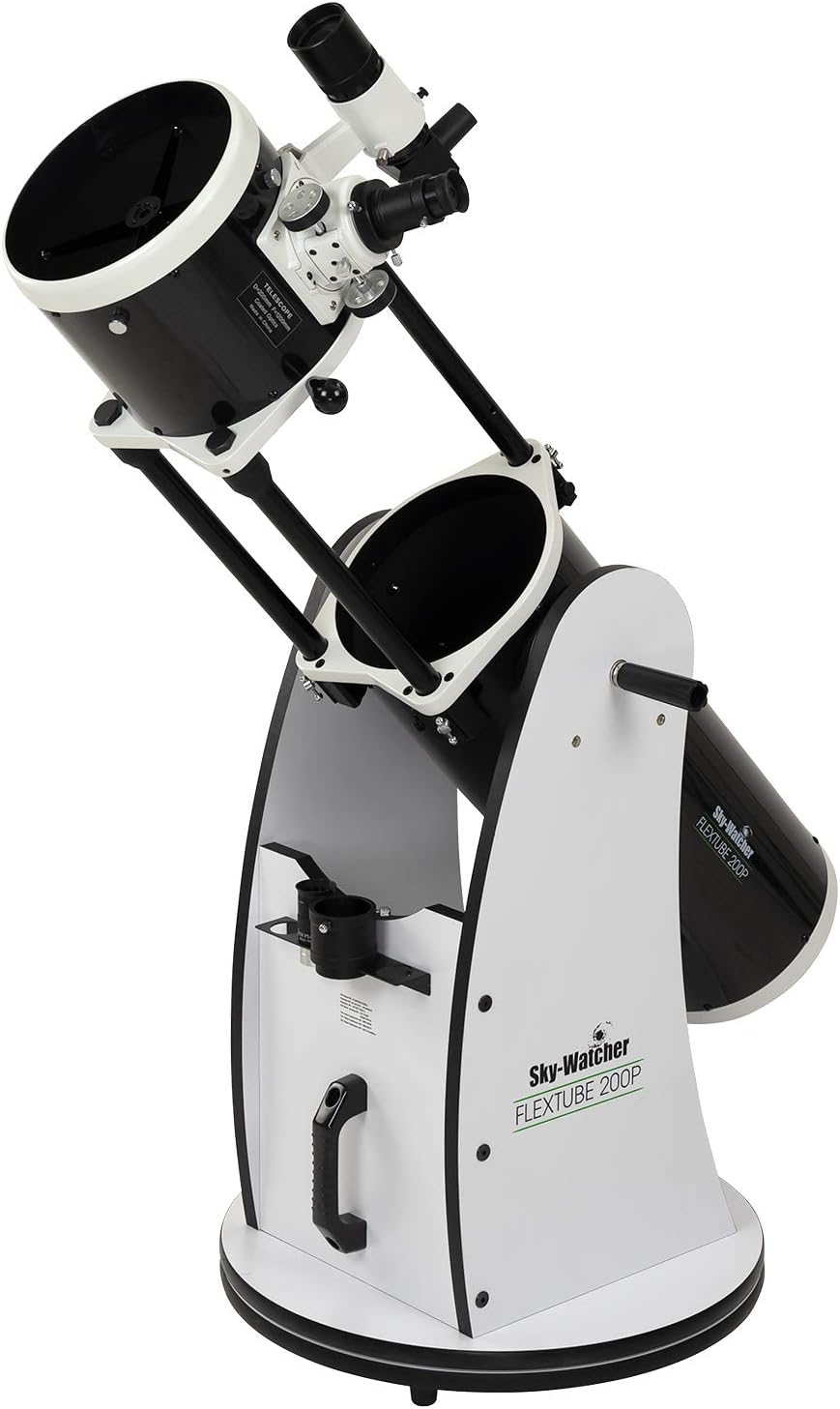
The Flextube 200 gives you the same 203mm of aperture as the NexStar 8SE. No GoTo, no electronics, just a big mirror in a simple rocker-box mount. For the Moon specifically, this barely matters: the Moon is the brightest, most obvious target in the sky, and the smooth Dobsonian bearings let you track it by hand with minimal effort.
What you will see: Everything the 8SE shows. Tiny craterlets on Plato's floor, the collapsed lava tube of Rima Hyginus, the terraced walls of Copernicus, wrinkle ridges in Mare Imbrium, and the chain of progressively smaller craters on the floor of Clavius. The physics of aperture do not care about your mount type.
Considerations: No tracking means nudging at high magnification.
4. Celestron NexStar Evolution 8 - Premium WiFi Experience

The Evolution 8 is the NexStar 8SE with all the modern conveniences added. Same 203mm f/10 SCT optics, same lunar performance. What you gain: built-in WiFi control from your phone via Celestron's SkyPortal app, an internal rechargeable battery (10 hours), and a smoother mount mechanism.
For extended lunar sessions, the WiFi control is genuinely useful. Pull up a lunar atlas on your phone, tap a feature, and the scope slews to it. No hand controller fumbling in the dark. The internal battery means no extension cord running across your lawn.
Considerations: Significant price premium over the 8SE for identical optical performance. Only worth it if you value the WiFi and battery convenience.
5. Sky-Watcher Virtuoso GTi 130P - Best Compact GoTo

The Virtuoso GTi 130P is a compact motorized tabletop telescope. The 130mm parabolic mirror delivers solid lunar views: all major craters in detail, the Straight Wall, terraced walls in larger formations, and the Alpine Valley. The motorized GoTo mount tracks the Moon via WiFi and the SynScan app.
Set it on a sturdy table or wide railing, align through the app, and it finds and follows the Moon hands-free.
Best for: Apartment dwellers, balcony observers, and anyone who wants GoTo tracking without the bulk of a full-sized tripod system.
6. Celestron StarSense Explorer DX 130AZ - Best for Beginners
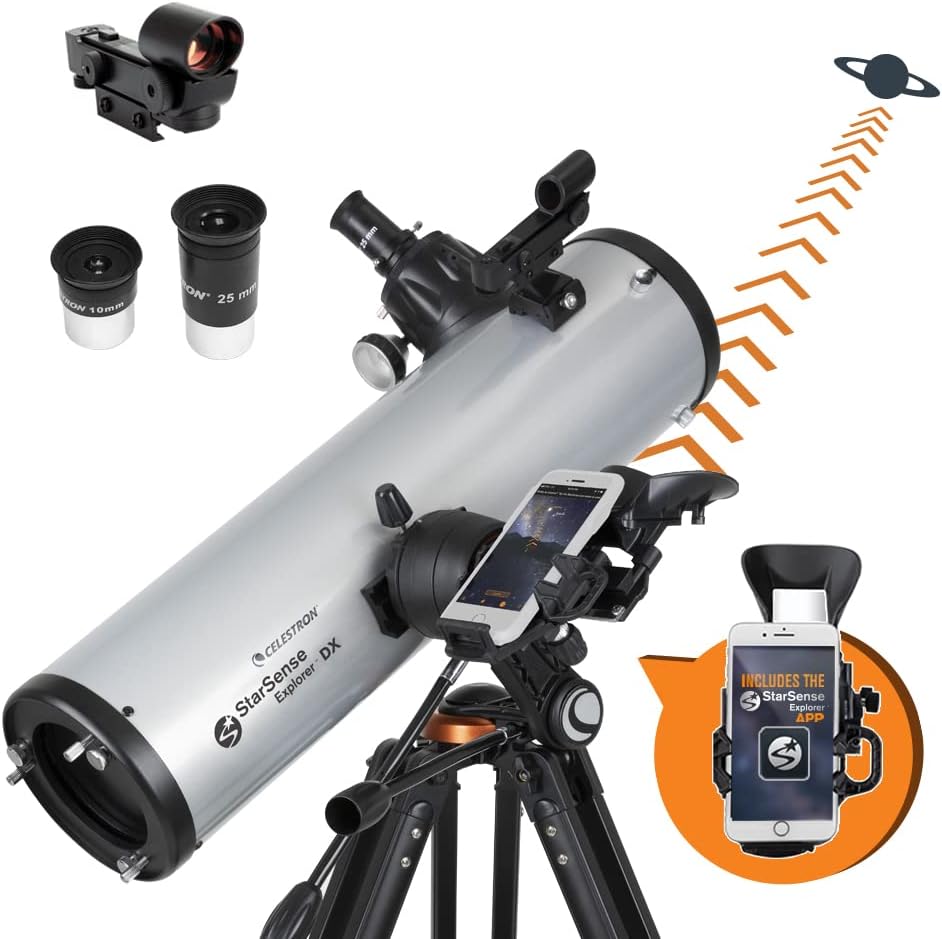
The StarSense Explorer DX 130AZ is designed for people who have never used a telescope before. The StarSense dock holds your phone, which analyzes the sky through your camera and generates a live bullseye guiding you to any target. For the Moon, you do not really need this (it is the big bright thing), but for everything else you will observe after the Moon hooks you, it is invaluable.
The 130mm parabolic mirror shows all major craters in detail, the Straight Wall, and crater chains. The included 25mm and 10mm eyepieces cover low and high power. On steady nights at 130x, the terminator line is dramatic and three-dimensional.
Considerations: No motorized tracking. The app guides you to objects but does not follow them. You still nudge by hand at high magnification.
7. Celestron Astro Fi 130 - WiFi GoTo

The Astro Fi 130 gives you motorized GoTo tracking with enough aperture for satisfying lunar views. The 130mm Newtonian shows all major craters, the Straight Wall, and central peaks in larger formations. The GoTo mount handles tracking automatically, which is a genuine quality-of-life upgrade when observing the Moon at 150x+ for extended periods.
8. Celestron Inspire 100AZ - Best Refractor for the Moon
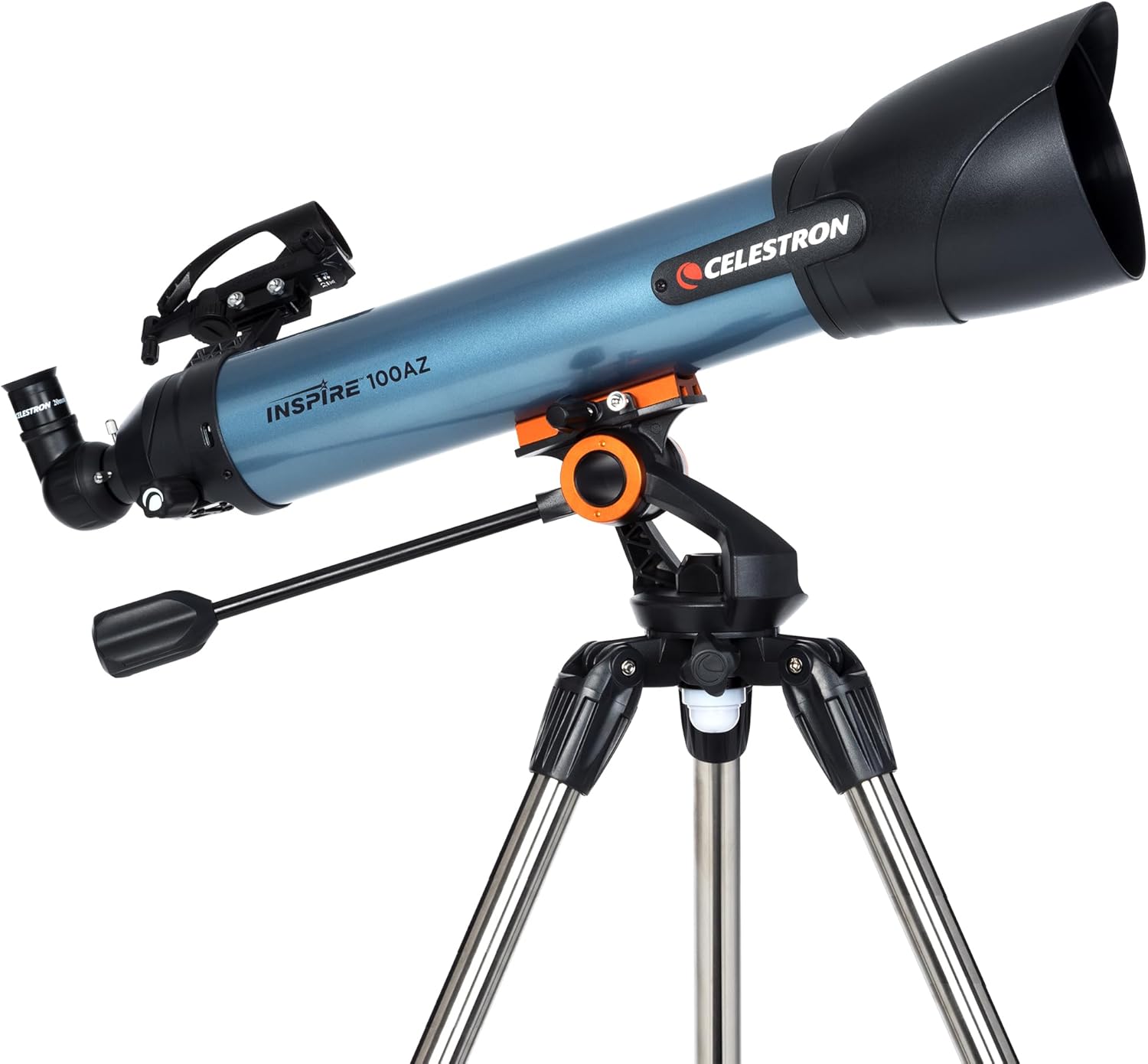
If you prefer the crisp, high-contrast views that refractors deliver, the Inspire 100AZ is the best value on this list. Refractors produce no central obstruction, which means cleaner shadow detail on the Moon and a more defined terminator line. The 100mm aperture shows all major craters sharply, with Copernicus and Tycho looking particularly impressive.
The built-in smartphone adapter makes it the easiest telescope for quick Moon photos. The image-erect diagonal shows the Moon right-side-up, which makes it intuitive to compare what you see through the eyepiece with a lunar atlas.
Considerations: Some chromatic aberration (color fringing) on bright limbs at high magnification. Not a problem at moderate powers where lunar detail is best.
9. Celestron AstroMaster 130EQ - Budget EQ Mount
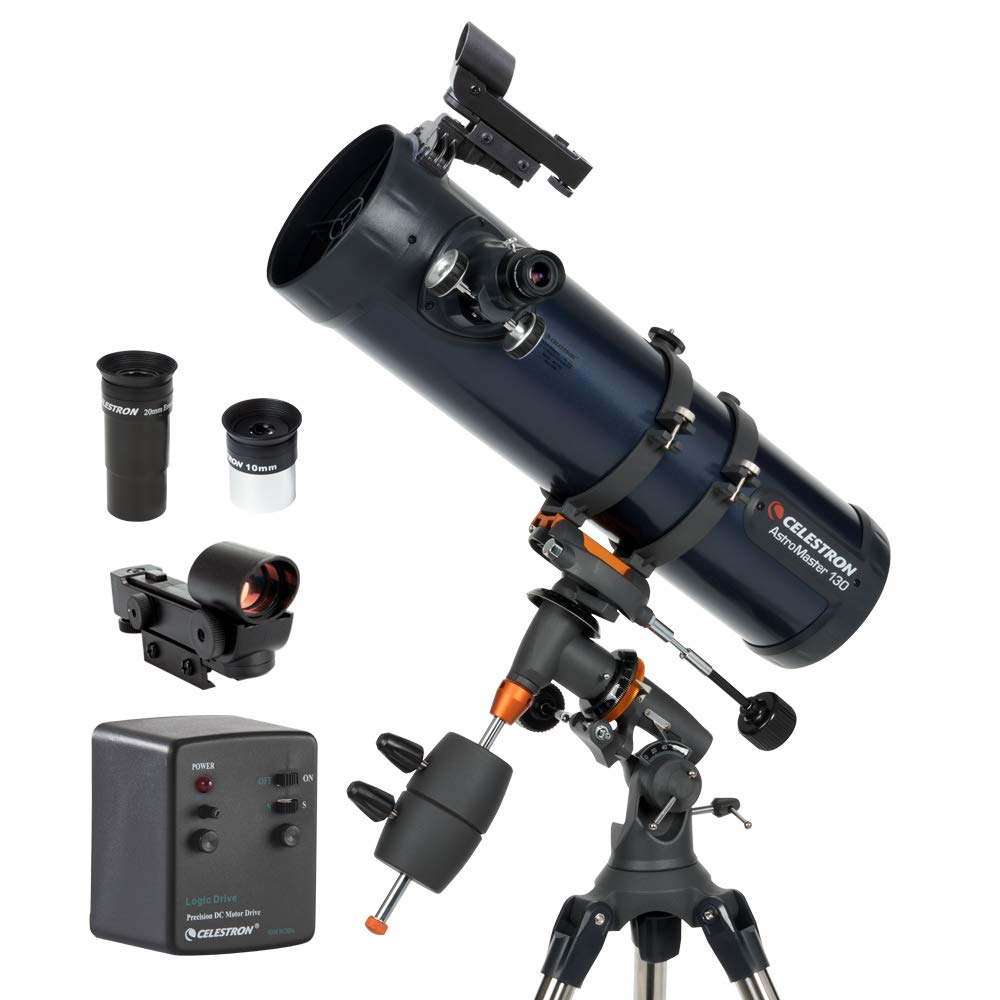
The 130mm mirror shows all major lunar craters, the equatorial mount lets you track the Moon smoothly, and the price is accessible. Once polar-aligned (roughly point the mount at Polaris), you follow the Moon with a single slow-motion knob.
The included 20mm and 10mm eyepieces provide 32.5x and 65x magnification. A Barlow lens pushes to 130x, which is solidly in the lunar sweet spot.
Honest note: The included eyepieces are mediocre, and the mount can wobble if not carefully balanced. Plan on a better eyepiece and take your time with setup.
Aperture Guide: Moon Detail by Telescope Size
| Aperture | Lunar Features Visible | Best Mag Range |
|---|---|---|
| 50-70mm | Major craters (Copernicus, Tycho), maria, Apennines, bright rays | 30x-80x |
| 80-100mm | Smaller craters, Straight Wall hint, central peaks, Alpine Valley | 50x-150x |
| 114-130mm | Crater chains, rilles, Hadley Rille, detailed Straight Wall, terraced walls | 80x-200x |
| 150mm (6") | Plato craterlets, Rima Hyginus, domes, wrinkle ridges, subtle maria color | 100x-300x |
| 200mm (8") | Finest visible detail: micro-craterlets, complex rille networks, boulder fields | 150x-400x |
| 250mm+ (10"+) | Near-orbital photo quality: complete terracing, extremely fine rilles, albedo | 200x-500x+ |
Bonus: Best Accessories for Moon Viewing
The right accessories transform a good Moon view into a great one. These upgrades deliver the biggest improvement per dollar, ranked by impact.
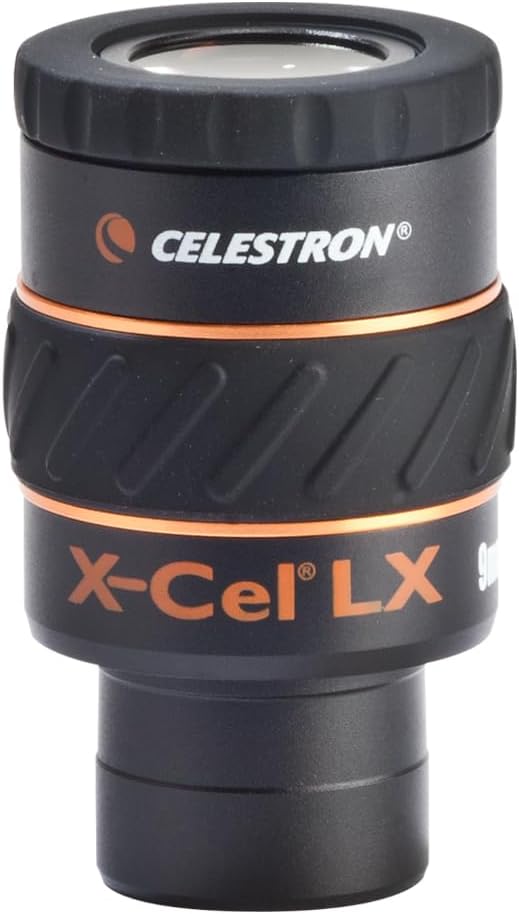
Eyepieces (The #1 Upgrade)
Most telescopes include basic eyepieces that top out at 50-100x. For lunar detail, you want to reach 150-300x with a sharp, well-corrected eyepiece.

Zoom Eyepieces (Dial in the Perfect Power)


Barlow Lenses (Triple Your Magnification)


Moon Cameras (Capture What You See)
Phone Adapter & Binoculars


Moon Observing Tips
When to Observe
- Best phases: First Quarter and Third Quarter. The terminator creates dramatic shadows that reveal surface topography in three dimensions.
- Worst time: Full Moon. Overhead sunlight eliminates shadows and washes out detail. The Moon looks flat and blindingly bright.
- Crescent phases: Excellent for dramatic crater shadows and earthshine (the faint glow on the dark side, lit by sunlight reflected off Earth).
- The terminator moves nightly. Each night reveals different terrain, so the Moon literally looks different every time you observe it. A month of nightly sessions covers the entire visible surface.
Getting the Sharpest Views
- Use a Moon filter. The unfiltered Moon is painfully bright at 100x+. A neutral-density filter or variable polarizing filter reduces glare and brings out contrast.
- Cool your telescope down. Take it outside 20-30 minutes before observing. Thermal currents inside a warm tube blur lunar detail.
- Start low, go high. Begin at 50-80x to find and center features, then increase magnification until the image softens. Back off one step.
- Observe from a stable surface. Grass is better than a deck (less vibration from footsteps). Keep the tripod legs spread wide.
- Wait for steady air. If stars are twinkling violently, the atmospheric seeing is poor. Wait for calmer nights for the best high-power views.
The "Golden Hours" of lunar observing are when the terminator crosses terrain you know. Use a lunar atlas app (like the Atlas Virtual Moon or the Moon section in Stellarium) to identify which craters and mountains are on the terminator tonight. Knowing what you are looking at transforms the experience from "cool craters" to "I am looking at the exact spot where Apollo 15 landed."
First Targets on the Moon
- Copernicus: A 93km impact crater with terraced inner walls, a complex central peak, and a bright ray system visible at any aperture.
- Tycho: The most prominent ray crater on the Moon. Its bright ejecta rays extend across nearly the entire visible disk.
- Clavius: A massive 225km crater with a chain of progressively smaller craters on its floor, visible at 100x+ in scopes 100mm and above.
- The Straight Wall (Rupes Recta): A 110km fault line that appears as a razor-sharp dark line during waxing quarter. One of the most striking features on the Moon.
- The Alpine Valley (Vallis Alpes): A dramatic gash through the lunar Alps, best seen at First Quarter. A 166km rift that even 80mm scopes can detect.
How to Photograph the Moon
The Moon is the easiest astrophotography target because it is bright enough for short exposures. Three approaches, from simplest to best:
1. Smartphone Through the Eyepiece (Easiest)
Hold your phone camera to the eyepiece and tap to focus. Use a phone adapter (like the Celestron NexYZ DX) for stability. The Moon is bright enough that your phone's auto-exposure produces decent results. Use video mode and screenshot the sharpest frame for better results than single photos.
2. Dedicated Planetary Camera (Best Quality)
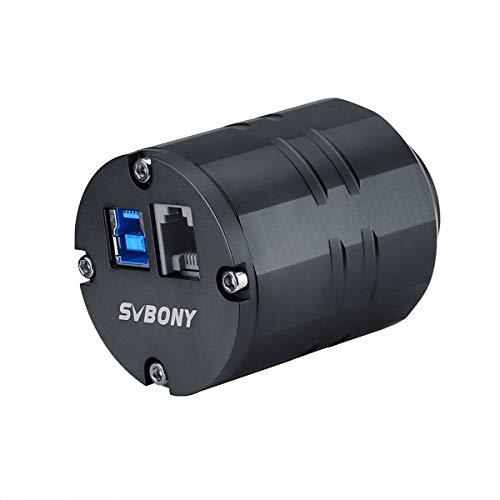
Cameras like the ZWO ASI series replace the eyepiece and record high-frame-rate video directly to your laptop. The technique is lucky imaging: record 60-120 seconds of video, then use free software (AutoStakkert) to select and stack the sharpest frames. Process in Registax for wavelet sharpening. Results can be stunning.
3. Moon Mosaics (Advanced)
At high magnification, the Moon does not fit in a single frame. Capture overlapping panels across the surface, then stitch them together in software like Microsoft ICE (free). The result is a full-disc lunar image with the detail of a close-up shot everywhere. Requires a tracking mount and patience, but the results are spectacular.
Shoot near the terminator, not full Moon. Just like visual observing, the best Moon photos happen during quarter phases when shadows create contrast. Full Moon photos look surprisingly flat and unimpressive compared to a quarter-phase shot with dramatic shadows.