Building your own telescope mount can be both cost-effective and immensely satisfying.
From gathering the right materials to the actual assembly process, each phase is crucial to ensure a durable and efficient mount. In this post, we’ll guide you through every step, offering tips and insights and ensuring your finished mount stands the test of time.
Tools and materials for building a telescope mount
When building your own telescope mount, it’s crucial to have the right tools and materials at your disposal. Here’s a breakdown of what you’ll need for this DIY project:
When building your own telescope mount, it s crucial to have the right tools and materials at your disposal. Here s a breakdown of what you ll need for this DIY project:
Tools
- Hand drill or drill press. The hand drill offers mobility and ease of use for occasional users, while a drill press ensures straight, precise drilling often needed in DIY projects. For consistent results, a product like the
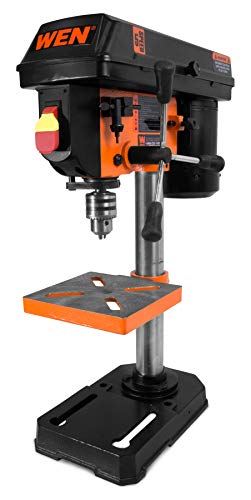 AmazonWEN 4208 8-inch Drill PressView on Amazon → comes highly recommended, though a standard hand drill can work well with a steady hand.
 - Set of drill bits. A versatile set of drill bits suitable for metals is essential to complement your drill. The
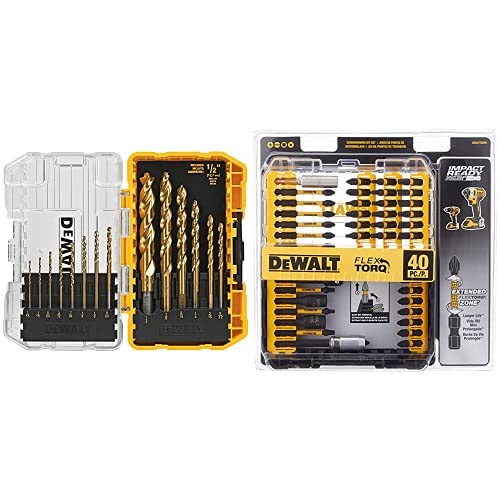 AmazonDEWALT DW1354 14-piece Titanium Drill Bit SetView on Amazon → is an excellent choice, but any quality set that matches your drill type would suffice.
 - Metal cutting power tool. For a swift and efficient cut through metal rods or tubes used in the mount, a metal cutting power tool, like the
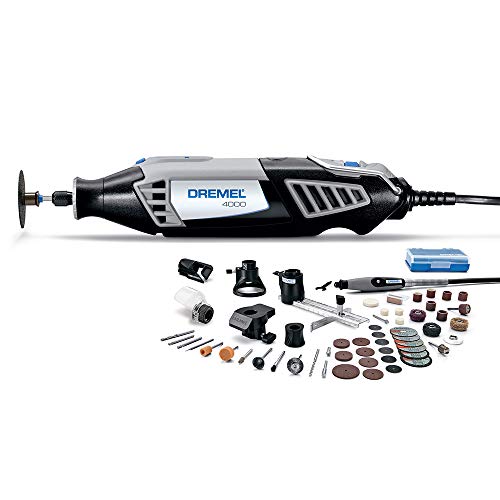 AmazonDremel 4000View on Amazon → with a cutting wheel, is indispensable. Compared to a manual saw, it saves significant time and provides a cleaner cut, which is crucial for parts that need to fit together precisely.
 - Tap and die set. A tool like the
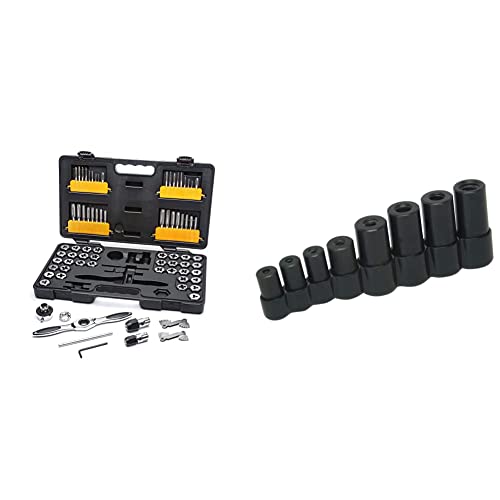 AmazonGEARWRENCH 77 Piece Ratcheting Tap and Die SetView on Amazon → is ideal because a DIY equatorial mount often requires threaded rods for adjustments. However, for those on a budget, you can find smaller sets focused on the sizes you need at your local machine shop.
 - Screw drivers (flat-head and Phillips). The
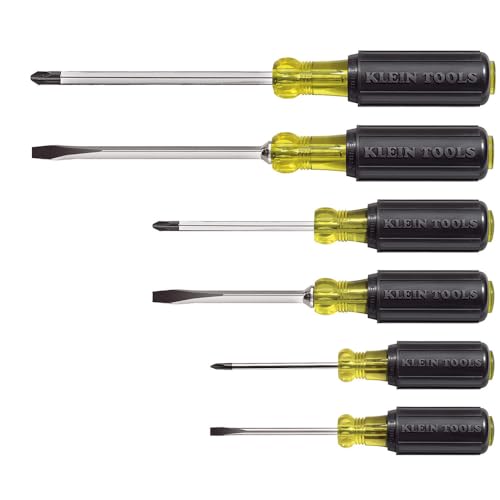 AmazonKlein Tools 85074 Screwdriver SetView on Amazon → is a top pick, but any durable set will help ensure all components, from the polar axis to the gear sets, are securely fastened.
 - Wrench set. Securing bolts, especially on pivot points, ensures stability and longevity for your mount, and a wrench set is essential for it. The
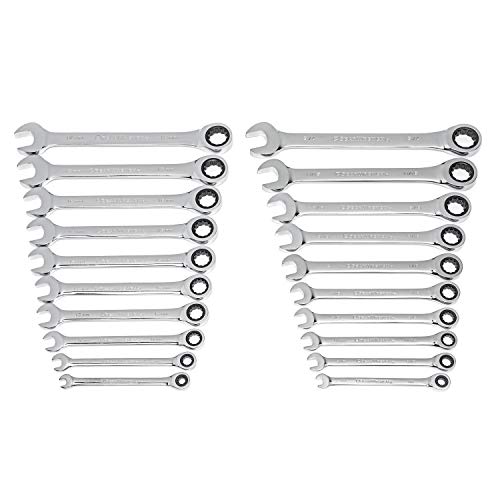 AmazonGEARWRENCH 20 Piece Ratcheting Wrench SetView on Amazon → offers variety and strength, though any robust set will suffice.
 - Metal files. Smooth out rough edges and perfect your cuts. Whether adjusting the base plate or ensuring the worm wheel rotates smoothly, a set like the
 AmazonNeedle File Set by MulWarkView on Amazon → provides versatility. However, you might need larger flat files available at a machine shop for more extensive modifications.
 - Calipers or a ruler. The
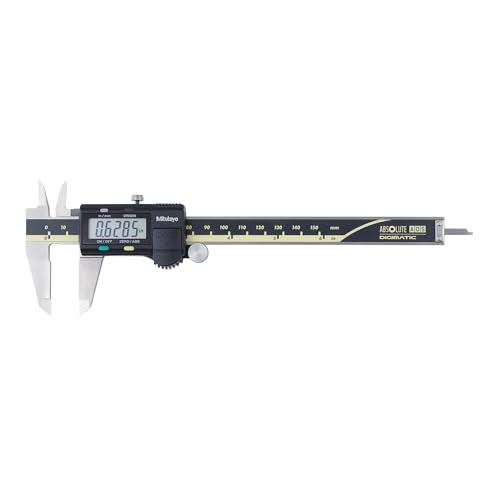 AmazonMitutoyo 500-196-30 Digital CaliperView on Amazon → offers exact measurements, but a sturdy ruler with clear markings can be a budget-friendly alternative.
 - Protractor or angle finder. Setting angles correctly, especially on the polar axis, is vital to achieve accurate polar alignment. The
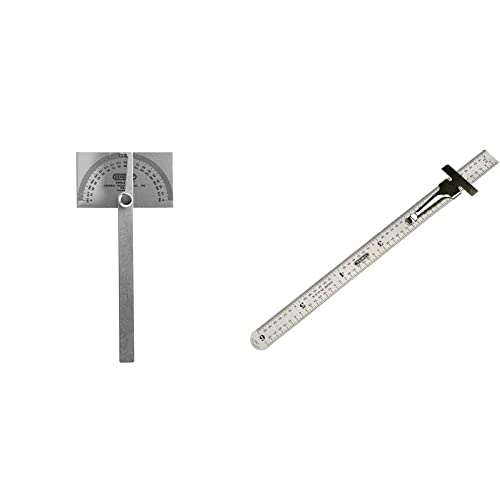 AmazonGeneral Tools 17 Square Head Metal ProtractorView on Amazon → stands out for its durability and precision, but there are digital options that might provide faster results.
 - Welding machine. Welding provides the strength and rigidity that DIY projects like a homemade telescope mount require. While not everyone might have access to a welding setup, options like the
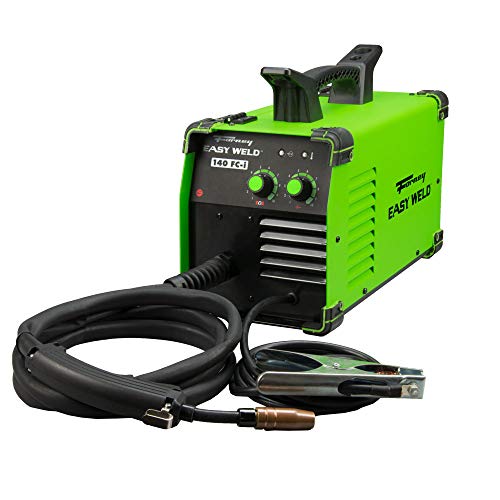 AmazonForney Easy Weld 261View on Amazon → offer an entry point.
 - Bench vise. Holding materials securely, especially when drilling or filing, ensures a good mount build. The
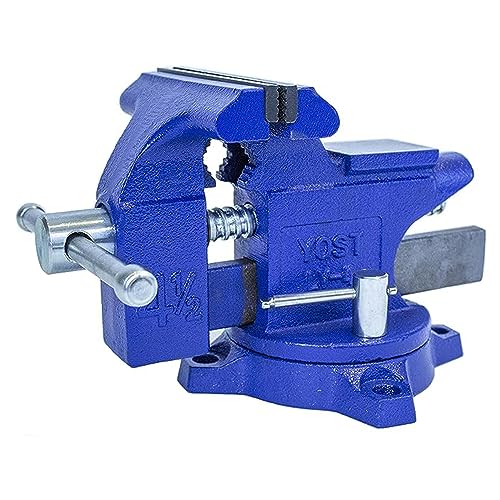 AmazonYost LV-4 Home ViseView on Amazon → is known for its durability, but similar tools can offer comparable holding strength.
Materials
- Metal rods or tubes. The metal rods or tubes are your DIY equatorial mount project’s main shaft and counterweight shaft. Usually, they become the RA axis and DEC axis, the two main axis that control the movement and tracking in an equatorial mount. As an alternative to procuring these from a machine shop, consider repurposing materials from old machinery or furniture. Depending on your setup, an item like the
 AmazonSteelworks Aluminum TubeView on Amazon → could work well.
 - Bearings and bushings. Bearings and bushings are pivotal in ensuring your mount’s smooth, low-friction motion along the polar axis. They play a vital role in achieving precise polar alignment. Incorporating these can help reduce periodic error, a common challenge even with commercial amateur telescope mounts. The
 AmazonBonbo 10-Pack Flanged Ball BearingView on Amazon → could be a starting point.
 - Base plates. Base plates act as the firm foundation of your good mount, holding various components steadily at the pivot point. You can purchase something ready-made, like this
 AmazonSVBONY 8.26-inch Dovetail Mounting PlateView on Amazon →. However, a more hands-on approach could involve shaping a base plate, providing a personal touch to your DIY equatorial mount. Moreover, it offers the opportunity to customize the base plate according to your telescope’s specific dimensions and requirements.
 - Bolts, nuts, and washers. The structural integrity of your DIY mount significantly relies on high-quality bolts, nuts, and washers. These small but vital components ensure that every part of your setup is securely fastened, offering stability for drift alignment procedures. The
 Amazon18-8 (304) Stainless Steel Assortment KitView on Amazon → offers a comprehensive solution.
 - Counterweights. In setting up an equatorial mount, counterweights function as balancing agents, helping to evenly distribute the weight and thereby enhance the mount’s stability. Options like the
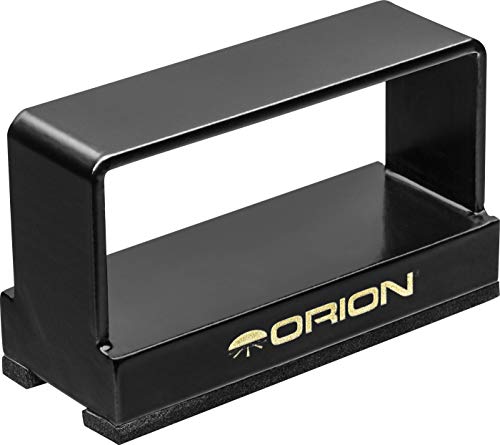 AmazonOrion 07006 Dobsonian CounterweightView on Amazon → can save you the task of creating your own.
 - Polar scope or alignment tools. A polar scope or other alignment tools help you achieve precise polar alignment. These assist in aligning the telescope’s polar axis with the celestial pole, a crucial step to avoid star trails during long exposure astrophotography. The
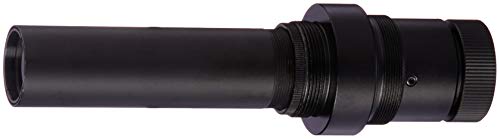 AmazonCelestron 94224 Polar Telescope FinderscopeView on Amazon → can provide you with focus adjustments for reticle clarity.
 - Mounting rings or dovetail bar. Mounting rings, like the
 AmazonSVBONY SV116 Guiding Scope RingView on Amazon →, help attach the telescope securely to the mount. You can create a custom dovetail bar as part of your project. It can be a cost-saving measure, allowing adjustments and customizations to fit your telescope perfectly.
 - Adjustable feet or tripod legs. Adjustable feet or tripod legs ensure stability and achieve a level setup, which is essential for accurate polar alignment. The
 AmazonNeewer 2-Pack Adjustable Tripod FootView on Amazon → is a reliable choice with non-slip pads.
 - Lubricants for smooth motion. The right kind of lubricant, such as the
 AmazonSuper Lube Synthetic GreaseView on Amazon →, minimizes wear and tear, especially in areas where metal parts interact, such as the mount’s worm wheel and threaded rod elements.
Step-by-step guide for building a telescope mount
Embarking on the journey to create your telescope mount is challenging and rewarding. Let’s explore the step-by-step process to guide you through this DIY endeavor.
- Step one: Familiarize yourself with the tools and equipment
- Step two: Prepare the base plate
- Step three: Construct the polar and RA axis
- Step four: Incorporate the bearings
- Step five: Set up the DEC axis
- Step six: Integrate slow-motion control knobs and possible motors
- Step seven: Mount the telescope
- Step eight: Balance with counterweights
- Step nine: Establish stability with adjustable feet or tripod legs
- Step ten: Lubrication, testing, and fine-tuning
Embarking on the journey to create your telescope mount is challenging and rewarding. Let s explore the step-by-step process to guide you through this DIY endeavor.
Step one: Familiarize yourself with the tools and equipment
Before diving deep into creating your own telescope mount, familiarize yourself with every tool and material you’ve gathered. From understanding the nuances of your hand drill to gauging the length and sturdiness of metal rods, taking the time to acquaint yourself ensures a smoother, more efficient building process.
A firm grasp of each item’s function will mitigate unnecessary mistakes. It ensures that the final product meets your desired quality and durability standards.
Step two: Prepare the base plate
Whether you’ve purchased a prefabricated base plate or decided to shape one yourself, this piece acts as the crucial foundation of your mount. Use your hand drill, metal saw, and files to ensure that the base plate is evenly flat, devoid of imperfections, and ready to bear the weight of the heavy telescope.
Step three: Construct the polar and RA axis
The metal rods or tubes you’ve procured are about to transform into the main shaft of your mount, effectively becoming the polar and RA axis. This axis is especially pivotal when striving for the utmost precision in polar alignment.
After shaping and sizing it to the desired dimensions, take your metal files to smoothen any rough edges. This ensures that the axis moves freely without any hindrances, which is vital when the mount is eventually motorized.
Step four: Incorporate the bearings
Slide in the ball bearings onto your newly formed RA shaft. The bearings ensure a smooth transition and movement, a feature that becomes incredibly relevant when making minute adjustments during long integrations in astrophotography.
Step five: Set up the DEC axis
Using metal rods, establish the DEC axis with precision. It controls the vertical movement of your homemade mount. With your array of tools, particularly the wrench set, ensure this axis is affixed securely to the main structure, prepping it for eventual telescope mounting.
Step six: Integrate slow-motion control knobs and possible motors
Attach your slow-motion control knobs and gear sets to both the RA and DEC axis to achieve refined, granular control during stargazing or capturing celestial events.
If you’re considering automating your mount in the future, this step will make integrating motors easier. These knobs and potential motors help you track celestial entities with precision without the interruption of sudden or jerky movements.
Step seven: Mount the telescope
Using the mounting rings or the custom-made dovetail bar, ensure your telescope is securely attached and perfectly balanced, preventing any misalignment or strain on the mounts.
Step eight: Balance with counterweights
Incorporate the counterweights into the mount structure, which ensures stability, particularly when dealing with a heavy telescope. These weights play an instrumental role in maintaining equilibrium.
It’s imperative to adjust and position the weights as required to achieve a stable balance, preparing the groundwork for undisturbed observation.
Step nine: Establish stability with adjustable feet or tripod legs
To ascertain that your DIY mount stands unwaveringly, integrate the adjustable feet or tripod legs. Achieving a leveled and stable base allows precise polar alignment.
Double-check and make adjustments to ensure that the mount stands firm, ready to bear the weight and movement of your telescope.
Step ten: Lubrication, testing, and fine-tuning
With the construction complete, lubricate every moving component, emphasizing areas where metal interacts with metal. This will guarantee smooth transitions during operations. Once lubricated, test all the moving parts for a comprehensive evaluation.
Any adjustments you make at this stage ensure that the homemade mount functions seamlessly, marking the culmination of your DIY journey into astronomy.
FAQs about homemade telescope mount
The process of creating a telescope mount can bring up several questions. Let’s address some of the most common inquiries.
Does the DIY telescope mount work?
The effectiveness of a DIY telescope mount project depends on the builder’s skills, the quality of materials used, and the accuracy of the construction. When crafted carefully with attention to detail and precision, DIY telescope mounts can work exceptionally well, providing stable support for stargazing.
However, success also hinges on proper alignment and calibration, as well as regular maintenance to ensure smooth tracking of celestial objects. With careful planning and execution, your homemade setup can rival commercial mounts, providing satisfaction and fun through a personalized touch.
How much does it cost to construct a DIY telescope mount?
Constructing a DIY telescope mount can cost around $800 or more. The costs can vary considerably based on your chosen materials and tools and the type of mount you are making. While it can be more cost-effective than buying commercial mounts, expenses can accumulate, especially if you decide to include more advanced features or high-quality materials.
Can a DIY telescope mount be used with any type of telescope?
Yes, a well-constructed DIY telescope mount can be adaptable to various types of telescopes. However, ensuring that your telescope can be securely mounted is crucial, and it might require some adjustments and fine-tuning to accommodate different telescope models seamlessly.
Are there specific maintenance requirements needed for a homemade telescope mount?
Certainly, like any piece of equipment, your homemade telescope mount will require regular maintenance. Over several hours of usage, you might notice the need for adjustments and lubrication to keep the whole thing running smoothly, maintaining its efficiency and longevity.
Is an equatorial mount worth buying?
At first glance, an equatorial mount might seem like a significant investment, but it is often deemed a worthy purchase for avid astronomy enthusiasts. It facilitates precise tracking of celestial objects, making your stargazing sessions more enjoyable and opening doors to the world of astrophotography.
See also: Equatorial Mount vs Alt-Azimuth Mount (Read This First!)
Takeaway: Embark on your DIY telescope mount project and savor the experience of crafting your own stargazing equipment
Creating your very own telescope mount from scratch is a rewarding endeavor. It is also a doorway to a more personalized astronomical exploration experience.
Creating your very own telescope mount from scratch is a rewarding endeavor. It is also a doorway to a more personalized astronomical exploration experience.
Through careful selection of materials and adherence to the detailed step-by-step assembly manual provided, you can craft a reliable, functional, and perhaps most importantly, personal piece of equipment.
The venture doesn’t end with completing your project; maintenance and potential enhancements keep the adventure alive, promising many nights of sky-gazing fun and learning.
Moreover, this project saves you from the substantial investment of commercial mounts while offering the satisfaction of using a mount built with your own hands.
Become a part of our galactic family by Explore the mysteries of the universe with our curated content, designed for both novice stargazers and astronomy aficionados. If you’re intrigued by the vastness of space, this is your chance to dive deeper!
You may also like: