- 1. A Stargazer s Guide by Emily Winterburn
- 2. Stories in the Stars: An Atlas of Constellations by Susanna Hislop
- 3. Stars and Planets: The Most Complete Guide to the Stars, Planets, Galaxies, and Solar System by Ian Ridpath and Wil Tirion
- 4. The Disordered Cosmos: A Journey into Dark Matter, Spacetime, and Dreams Deferred by Chanda Prescod-Weinstein
- 5. The Backyard Astronomer s Guide by Terence Dickinson and Alan Dyer
- 6. Deep Sky Objects: The Best And Brightest from Four Decades of Comet Chasing by David H. Levy
- 7. The Science of Interstellar by Kip Thorne
- 8. The Astrophotography Manual: A Practical and Scientific Approach to Deep Sky Imaging by Chris Woodhouse
- 9. Constellations: The Story of Space Told Through the 88 Known Star Patterns in the Night Sky by Govert Schilling
- 10. Black Hole Survival Guide by Janna Levin
- 11. The Invisible Universe: Why There s More to Reality than Meets the Eye by Matthew Bothwell
- 12. Not Necessarily Rocket Science: A Beginner s Guide to Life in the Space Age by Kellie Gerardi
- 13. Black Holes and Time Warps: Einstein s Outrageous Legacy by Kip Thorne
- 14. The Human Cosmos: A Secret History of the Stars by Jo Marchant
- 15. Hubble Legacy: 30 Years of Discoveries and Images by Jim Bell
- 16. The Mysteries of the Universe: Discover the Best-Kept Secrets of Space by Will Gater
- 17. Spacefarers: How Humans Will Settle the Moon, Mars, and Beyond by Christopher Wanjek
- 18. NASA Missions to Mars: A Visual History of Our Quest to Explore the Red Planet by Piers Bizony
- 19. The Secret Lives of Planets: Order, Chaos, and Uniqueness in the Solar System by Paul Murdin
- 20. Cosmos by Carl Sagan
- 21. A Brief History of Time by Stephen Hawking
- 22. Pale Blue Dot: A Vision of the Human Future in Space by Carl Sagan
- 23. Death by Black Hole: And Other Cosmic Quandaries by Neil deGrasse Tyson
- 24. Endurance: A Year in Space, A Lifetime of Discovery by Scott Kelly
- 25. The Glass Universe: How the Ladies of the Harvard Observatory Took the Measure of the Stars by Dava Sobel
- 26. Packing for Mars: The Curious Science of Life in the Void by Mary Roach
- 27. The Fabric of the Cosmos: Space, Time, and the Texture of Reality by Brian Greene
- 28. For All Mankind by Harry Hurt III
- 29. The Elegant Universe: Superstrings, Hidden Dimensions, and the Quest for the Ultimate Theory by Brian Greene
- 30. Coming of Age in the Milky Way by Timothy Ferris
- 31. The Case for Mars: The Plan to Settle the Red Planet and Why We Must by Robert Zubrin
- 32. Big Bang: The Origin of the Universe by Simon Singh
- 33. Astrophysics for People in a Hurry by Neil deGrasse Tyson
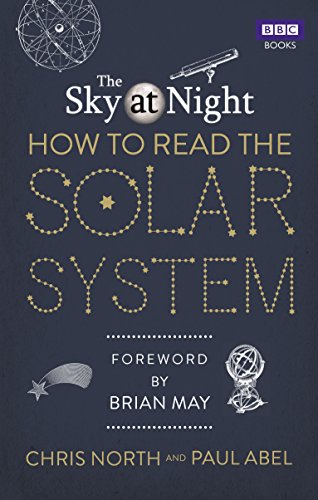
- 34. The Sky at Night: How to Read the Solar System: A Guide to the Stars and Planets by Chris North and Paul Abel
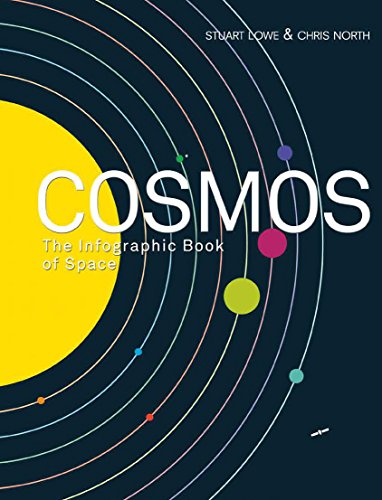
- 35. Cosmos: The Infographic Book of Space by Stuart Lowe and Chris North
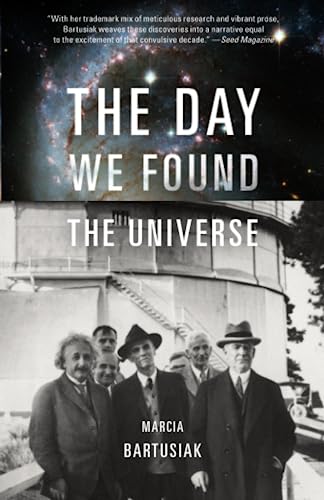
- 36. The Day We Found the Universe by Marcia Bartusiak
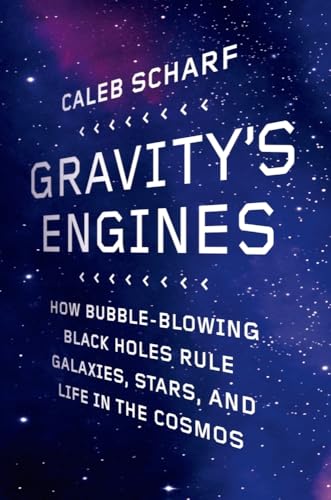
- 37. Gravity s Engines: How Bubble-Blowing Black Holes Rule Galaxies, Stars, and Life in the Cosmos by Caleb Scharf
- 38. Turn Left at Orion: Hundreds of Night Sky Objects to See in a Home Telescope – and How to Find Them by Guy Consolmagno and Dan M. Davis
- 39. The Planet Factory: Exoplanets and the Search for a Second Earth by Elizabeth Tasker
- 40. Origins: Fourteen Billion Years of Cosmic Evolution by Neil deGrasse Tyson and Donald Goldsmith
- 41. Parallel Worlds: A Journey Through Creation, Higher Dimensions, and the Future of the Cosmos by Michio Kaku
- 42. Welcome to the Universe: An Astrophysical Tour by Neil deGrasse Tyson, Michael A. Strauss, and J. Richard Gott
- 43. Beyond: Our Future in Space by Chris Impey
- 44. Chasing New Horizons: Inside the Epic First Mission to Pluto by Alan Stern and David Grinspoon
- 45. How to Live in Space: Everything You Need to Know for the Not-So-Distant Future by Colin Stuart
- 46. The Search for Life on Mars: The Greatest Scientific Detective Story of All Time by Elizabeth Howell and Nicholas Booth
- 47. The End of Everything (Astrophysically Speaking) by Katie Mack
- 48. Rocket Men: The Daring Odyssey of Apollo 8 and the Astronauts Who Made Man s First Journey to the Moon by Robert Kurson
- 49. The Future of Humanity: Terraforming Mars, Interstellar Travel, Immortality, and Our Destiny Beyond Earth by Michio Kaku
- 50. The Space Book: From the Beginning to the End of Time, 250 Milestones in the History of Space Astronomy by Jim Bell
- 51. Hidden Figures: The American Dream and the Untold Story of the Black Women Mathematicians Who Helped Win the Space Race by Margot Lee Shetterly
- 52. The Martian by Andy Weir
- 53. Star Ware: The Amateur Astronomer s Guide to Choosing, Buying, and Using Telescopes and Accessories by Philip S. Harrington
- 54. NightWatch: A Practical Guide to Viewing the Universe by Terence Dickinson
- 55. The Dobsonian Telescope: A Practical Manual for Building Large Aperture Telescopes by David Kriege and Richard Berry
- 56. Illustrated Guide to Astronomical Wonders: From Novice to Master Observer by Robert Bruce Thompson and Barbara Fritchman Thompson
- 57. The Perfect Machine: Building the Palomar Telescope by Ronald Florence
- Takeaway: Gift yourself the best astronomy, space books and interesting nonfiction about astrophysics
If you’re a beginner, stepping into the world of astronomy can feel like exploring a new universe. Our recommended reads are designed to guide you on this adventure.
Natural history enthusiasts can find fascinating insights into celestial phenomena through astronomy books that explore the interconnectedness of Earth and the cosmos.
This selection of fascinating works aims to quench the thirst of both budding stargazers and intermediate observers.
This list is your personal spacecraft. It spans the expanse of non-fiction for a grounded understanding of the universe, fiction to stretch the imagination to new galaxies, and speculative science to push the boundaries of our current knowledge.
Let’s get started!
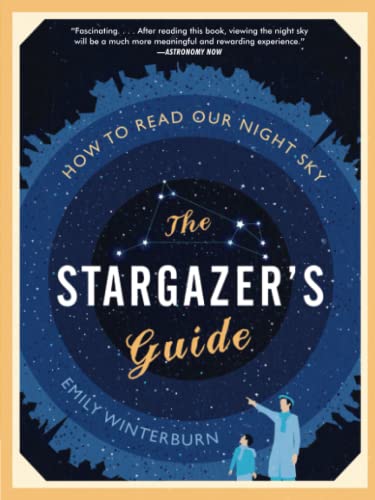
1. A Stargazer’s Guide by Emily Winterburn
A Stargazer s Guide equips aspiring stargazers with the knowledge and tools to enjoy celestial objects in the night sky. With clear explanations, this guide encourages readers to embark on their own celestial adventures.
 AmazonStargazer s GuideView on Amazon →
From understanding the different types of telescopes and their uses to identifying constellations and observing celestial events, Winterburn offers practical advice and expert tips catering to novice and experienced astronomers.
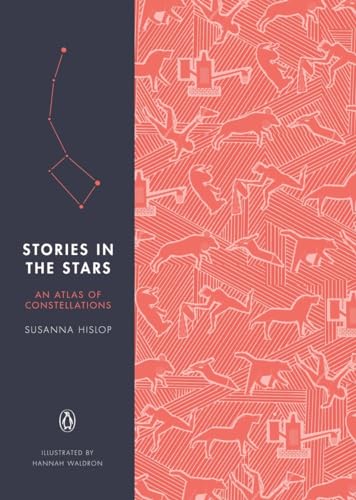
2. Stories in the Stars: An Atlas of Constellations by Susanna Hislop
Dive into the captivating world of mythology and astronomy with Susanna Hislop s Stories in the Stars: An Atlas of Constellations . This beautifully illustrated atlas takes readers on a journey through the night sky, uncovering the ancient tales and legends associated with each constellation.
 AmazonStories in the Stars: An Atlas of ConstellationsView on Amazon →
Hislop skillfully weaves history, folklore, and scientific insights together to create a compelling narrative connecting us to the stars.
As you explore the pages of this book, you’ll gain a deeper appreciation for the constellations and the cultural significance they hold across different civilizations.
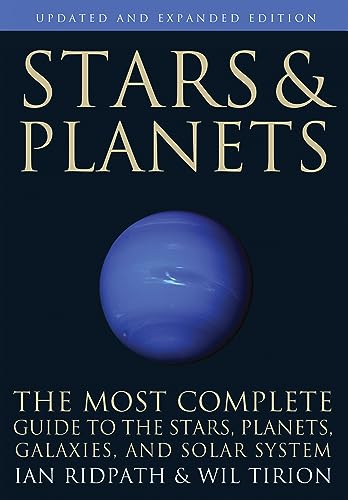
3. Stars and Planets: The Most Complete Guide to the Stars, Planets, Galaxies, and Solar System by Ian Ridpath and Wil Tirion
This updated and expanded edition of Stars and Planets is a go-to reference for anyone interested in the celestial realm. Ian Ridpath and Wil Tirion provide a wealth of information, including detailed star charts, planetary data, and descriptions of galaxies and other celestial objects.
 AmazonStars and PlanetsView on Amazon →
With its user-friendly format and comprehensive coverage, this guide is an invaluable resource for amateur and seasoned astronomers.
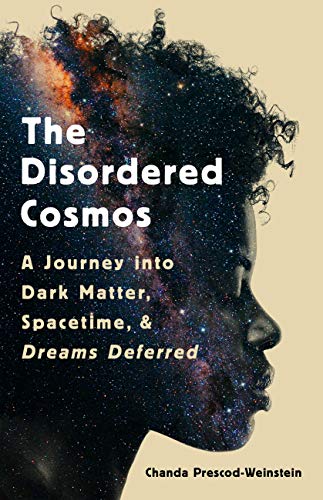
4. The Disordered Cosmos: A Journey into Dark Matter, Spacetime, and Dreams Deferred by Chanda Prescod-Weinstein
In The Disordered Cosmos, theoretical physicist Chanda Prescod-Weinstein takes readers on a thought-provoking journey through the cutting-edge realms of cosmology and particle physics.
 AmazonThe Disordered CosmosView on Amazon →
Blending scientific exploration with social justice issues, Prescod-Weinstein challenges traditional ideas about the universe and delves into topics like dark matter, black holes, and the nature of scientific knowledge.
This book expands our understanding but also sheds light on the intersections between science, race, and gender.
5. The Backyard Astronomer’s Guide by Terence Dickinson and Alan Dyer
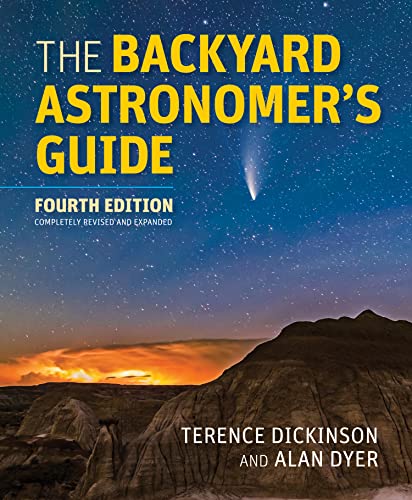
If you’re passionate about backyard stargazing, The Backyard Astronomer s Guide is a must-have resource. Terence Dickinson and Alan Dyer provide a comprehensive overview of astronomy, covering everything from choosing the right equipment and setting up your observing area to observing techniques and astrophotography.
 AmazonThe Backyard Astronomer s GuideView on Amazon →
With practical tips, photographs, and detailed sky charts, this guide empowers amateur astronomers to explore the wonders of the night sky right from their own backyard.
6. Deep Sky Objects: The Best And Brightest from Four Decades of Comet Chasing by David H. Levy
17. Spacefarers: How Humans Will Settle the Moon, Mars, and Beyond by Christopher Wanjek
Spacefarers provides a forward-looking examination of the future of human space colonization. Wanjek discusses the practical and technical challenges of settling on celestial bodies like the Moon, Mars, and even more distant locations.
 AmazonSpacefarersView on Amazon →
He delves into topics such as space agriculture, energy resources, terraforming, and the psychological implications of living in space, offering a comprehensive vision of humanity’s potential future as a spacefaring species.
18. NASA Missions to Mars: A Visual History of Our Quest to Explore the Red Planet by Piers Bizony
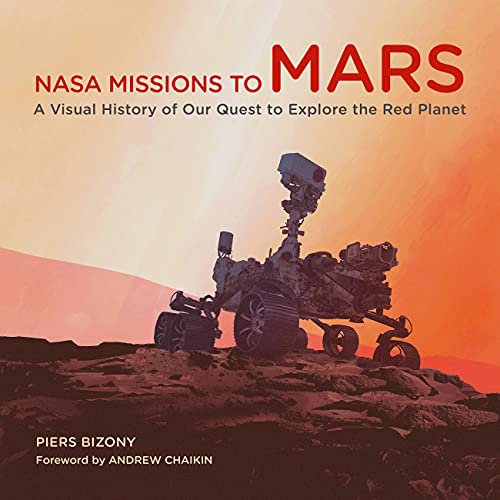
Nasa Missions to Mars: A Visual History of Our Quest to Explore the Red Planet is a captivating account of humanity’s exploration of Mars, highlighting the remarkable achievements and advancements made in our quest to understand the red planet.
 AmazonNasa Missions to Mars: A Visual History of Our Quest to Explore the Red PlanetView on Amazon →
Beginning with the early Soviet and American flybys during the Space Race, Bizony takes readers through the Viking missions of 1975-1976 and explores NASA’s groundbreaking rover program, including the Sojourner, Opportunity, Spirit, and Curiosity rovers.
The book showcases a wealth of imagery sourced from NASA archives, featuring photographs, cartography, artworks, and concept drawings that document the development, testing, and missions.
19. The Secret Lives of Planets: Order, Chaos, and Uniqueness in the Solar System by Paul Murdin
The Secret Lives of Planets: Order, Chaos, and Uniqueness in the Solar System is a beautifully narrated tour of our solar system. Murdin, an astrophysicist, presents each planet as a unique character with its own history and attributes.
 AmazonSecret Lives of Planets: Order, Chaos, and Uniqueness in the Solar SystemView on Amazon →
The book blends mythology, history, science, and astronomy to explore the planets, their moons, and other celestial bodies, offering a well-rounded perspective on our cosmic neighborhood.
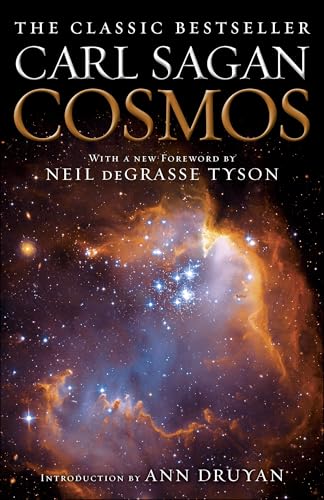
20. Cosmos by Carl Sagan
Cosmos is a classic in the realm of popular science literature. Authored by renowned astronomer and science communicator Carl Sagan, it offers a grand tour of the universe.
 AmazonCosmosView on Amazon →
Sagan’s brilliant storytelling and ability to simplify complex scientific concepts make Cosmos a fascinating read. The book covers a broad range of topics, from the origin of life to the nature of galaxies.
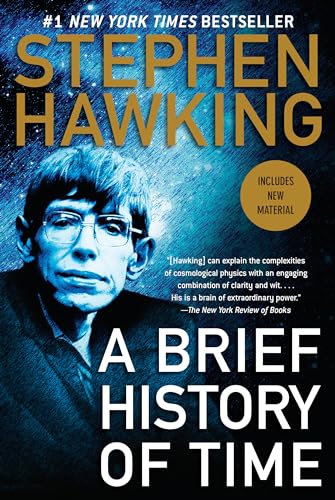
21. A Brief History of Time by Stephen Hawking
Stephen Hawking’s A Brief History of Time is a best-selling classic that has influenced millions worldwide. It introduces readers to the grand mysteries of the universe, from the big bang to black holes.
 AmazonA Brief History of TimeView on Amazon →
Despite discussing complex subjects such as general relativity and quantum mechanics, Hawking’s accessible writing style makes this book an excellent read for individuals without a background in physics.
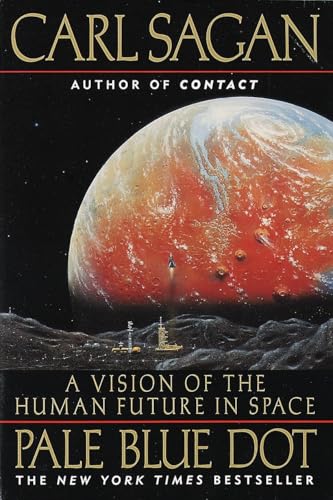
22. Pale Blue Dot: A Vision of the Human Future in Space by Carl Sagan
In Pale Blue Dot: A Vision of the Human Future in Space, Carl Sagan presents an argument for the necessity of space exploration. Inspired by the famous photograph of Earth taken from the Voyager 1 spacecraft, Sagan discusses the planet’s insignificance in the grand scale of the universe.
 AmazonPale Blue Dot: A Vision of the Human Future in SpaceView on Amazon →
The book also explores the potential for life on other planets and humanity’s future prospects in space travel and colonization.
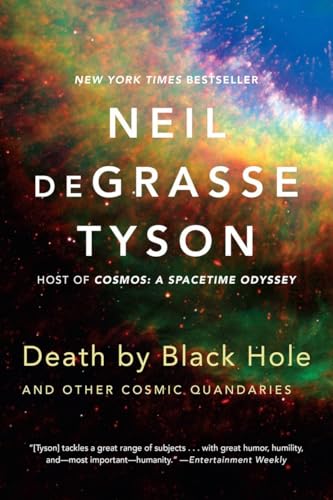
23. Death by Black Hole: And Other Cosmic Quandaries by Neil deGrasse Tyson
Death by Black Hole: And Other Cosmic Quandaries by Neil deGrasse Tyson is a collection of essays by astrophysicist Neil deGrasse Tyson, wherein he explores a variety of cosmic phenomena.
 AmazonDeath by Black Hole: And Other Cosmic QuandariesView on Amazon →
From the destructive power of black holes to the nature of dark matter, Tyson addresses these topics with wit, enthusiasm, and an accessible style. The book is informative and offers an entertaining perspective on the universe’s strange and wonderful aspects.
24. Endurance: A Year in Space, A Lifetime of Discovery by Scott Kelly
Endurance: A Year in Space, A Lifetime of Discovery is a memoir by astronaut Scott Kelly, recounting his year-long mission on the International Space Station.
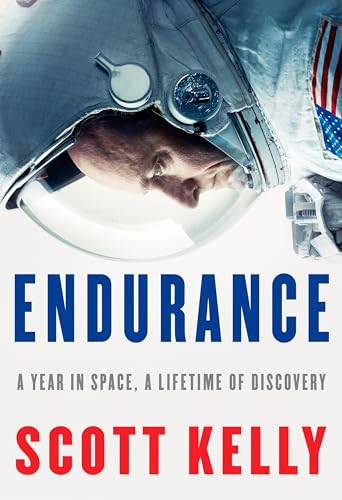 AmazonEndurance: A Year in Space, A Lifetime of DiscoveryView on Amazon →
The book provides a detailed account of the challenges and rewards of long-term space travel, including physical effects, psychological stresses, and the everyday realities of life aboard the ISS. Kelly’s personal journey provides a unique perspective on space exploration and its human impact.
25. The Glass Universe: How the Ladies of the Harvard Observatory Took the Measure of the Stars by Dava Sobel
The Glass Universe: How the Ladies of the Harvard Observatory Took the Measure of the Stars highlights the often-overlooked contributions of women to astronomy.
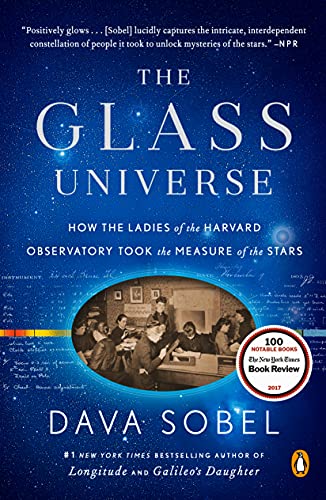 AmazonThe Glass Universe: How the Ladies of the Harvard Observatory Took the Measure of the StarsView on Amazon →
Sobel shares the story of the women who worked at the Harvard College Observatory from the late 19th to the early 20th century. These women, referred to as “computers,” made significant contributions to the field, including the classification of stars.
The book celebrates their achievements and their role in shaping modern astronomy.
26. Packing for Mars: The Curious Science of Life in the Void by Mary Roach
Mary Roach’s Packing for Mars: The Curious Science of Life in the Void provides a humorous and insightful look into the often unglamorous reality of space travel.
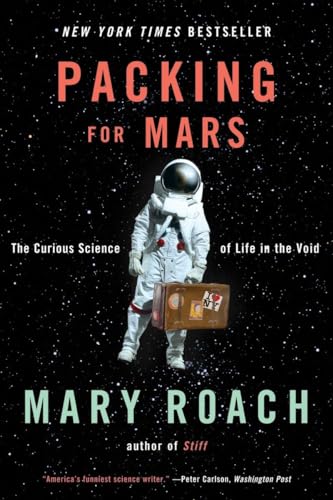 AmazonPacking for Mars: The Curious Science of Life in the VoidView on Amazon →
Roach delves into the peculiar and intricate details of life in space, from the challenges of zero-gravity bodily functions to the psychological strain of confinement and isolation. With her unique style, Roach uncovers the human aspect behind the grandeur of space exploration.
27. The Fabric of the Cosmos: Space, Time, and the Texture of Reality by Brian Greene
Brian Greene’s The Fabric of the Cosmos: Space, Time, and the Texture of Reality offers a comprehensive and accessible exploration of the cosmos and our understanding of it.
 AmazonThe Fabric of the Cosmos: Space, Time, and the Texture of RealityView on Amazon →
The book explains complicated concepts like quantum mechanics, the nature of space and time, and the theory of relativity in layperson’s terms.
Greene’s remarkable storytelling ability and analogies bring to life the fascinating and often mind-boggling aspects of our universe.
28. For All Mankind by Harry Hurt III
For All Mankind offers a riveting narrative of the Apollo lunar missions based on extensive interviews with the astronauts who made the journey.
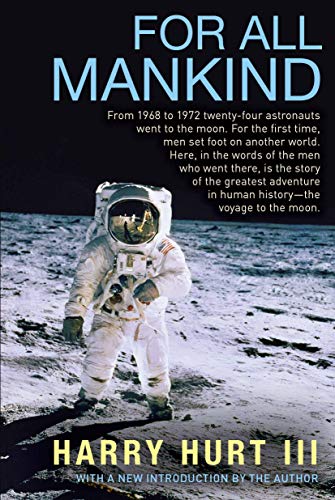 AmazonFor All MankindView on Amazon →
Harry Hurt III provides personal perspectives on the awe-inspiring experience of moon exploration, from the tension of launch to the wonder of stepping onto lunar soil. The book celebrates the human side of space exploration and the spirit of discovery that propelled the Apollo astronauts.
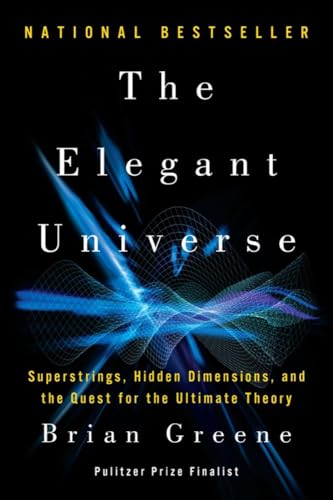
29. The Elegant Universe: Superstrings, Hidden Dimensions, and the Quest for the Ultimate Theory by Brian Greene
In The Elegant Universe: Superstrings, Hidden Dimensions, and the Quest for the Ultimate Theory, Brian Greene introduces readers to the world of string theory in his quest to find a unified theory of the universe.
 AmazonThe Elegant Universe: Superstrings, Hidden Dimensions, and the Quest for the Ultimate TheoryView on Amazon →
With a knack for making intricate scientific theories comprehensible and engaging, Greene offers a captivating narrative that bridges the gap between the microcosm of quantum mechanics and the macrocosm of general relativity.
30. Coming of Age in the Milky Way by Timothy Ferris
Coming of Age in the Milky Way chronicles the evolution of cosmological thought and discovery from ancient civilizations to the modern era.
 AmazonComing of Age in the Milky WayView on Amazon →
Timothy Ferris illustrates how our understanding of the universe and our place in it has shifted dramatically over the centuries, influenced by scientific, philosophical, and cultural changes.
The book not only details the history of astronomy but also offers an insightful look into the process of scientific discovery.
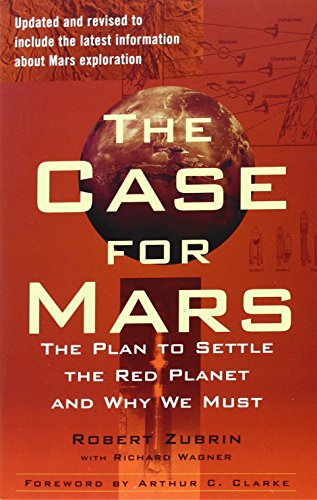
31. The Case for Mars: The Plan to Settle the Red Planet and Why We Must by Robert Zubrin
In The Case for Mars, Robert Zubrin outlines a practical and cost-effective plan for human colonization of Mars. Zubrin, a prominent advocate for Mars exploration, delves into the scientific, logistical, and philosophical aspects of establishing a permanent human presence on the Red Planet.
 AmazonThe Case for MarsView on Amazon →
His compelling arguments and detailed plan—dubbed the “Mars Direct” approach—make a strong case for the feasibility and necessity of Mars colonization.
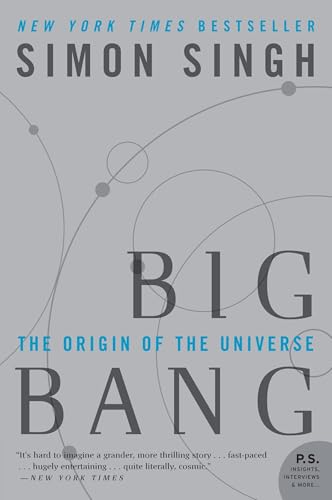
32. Big Bang: The Origin of the Universe by Simon Singh
Big Bang: The Origin of the Universe offers a compelling account of the most influential theory in cosmology – the Big Bang theory. Singh traces the development of the theory from its initial dismissal to its eventual acceptance, highlighting the key scientists and discoveries along the way.
 AmazonBig Bang: The Origin of the UniverseView on Amazon →
His clear explanations and engaging narrative make the complex story of our universe’s origin accessible and enjoyable.
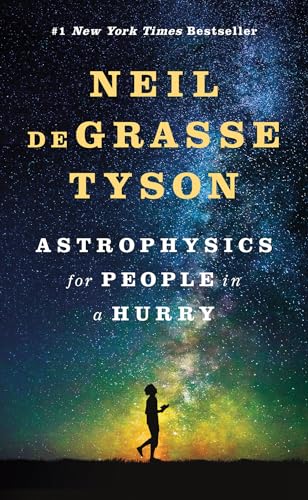
33. Astrophysics for People in a Hurry by Neil deGrasse Tyson
Neil deGrasse Tyson’s Astrophysics for People in a Hurry provides a quick, entertaining, and informative overview of essential astrophysical knowledge.
 AmazonAstrophysics for People in a HurryView on Amazon →
Despite being a condensed exploration of the universe, this book doesn’t skimp on detail, from the Big Bang to quantum mechanics.
34. The Sky at Night: How to Read the Solar System: A Guide to the Stars and Planets by Chris North and Paul Abel
The Sky at Night: How to Read the Solar System: A Guide to the Stars and Planets offers an in-depth understanding of the planets, comets, and other celestial bodies that inhabit our corner of the cosmos.
 AmazonSky at Night: How to Read the Solar System: A Guide to the Stars and PlanetsView on Amazon →
This makes it an excellent choice for both beginners and seasoned stargazers.
35. Cosmos: The Infographic Book of Space by Stuart Lowe and Chris North
Cosmos: The Infographic Book of Space offers a visually impressive tour of the universe. With the help of beautifully designed infographics, authors Stuart Lowe and Chris North make complex cosmic phenomena comprehensible, including the life cycle of stars, the structure of galaxies, and the intricacies of space missions.
 AmazonCosmos: The Infographic Book of SpaceView on Amazon →
This book offers a unique perspective of space, combining science, design, and information graphics remarkably.
36. The Day We Found the Universe by Marcia Bartusiak
In The Day We Found the Universe, Marcia Bartusiak narrates the compelling story of the birth of modern cosmology. Bartusiak focuses on the groundbreaking discoveries of the 20th century that reshaped our understanding of the universe’s size and structure.
 AmazonThe Day We Found the UniverseView on Amazon →
Her storytelling, backed by meticulous research, brings the intense scientific rivalries and intellectual leaps of this revolutionary period to life.
37. Gravity’s Engines: How Bubble-Blowing Black Holes Rule Galaxies, Stars, and Life in the Cosmos by Caleb Scharf
In Gravity s Engines, Caleb Scharf introduces readers to the mysterious and powerful phenomena of black holes. Scharf explains how black holes are not just destructive forces but also creators and sculptors of the universe around us, influencing the formation of stars, galaxies, and possibly even life itself.
 AmazonGravity s EnginesView on Amazon →
His accessible explanations, coupled with the latest research findings, offer a fascinating glimpse into these enigmatic cosmic entities.
38. Turn Left at Orion: Hundreds of Night Sky Objects to See in a Home Telescope – and How to Find Them by Guy Consolmagno and Dan M. Davis
Turn Left at Orion is an essential guide for amateur astronomers. Consolmagno and Davis provide detailed instructions on how to locate hundreds of celestial objects with a small telescope or even binoculars.
 AmazonTurn Left at OrionView on Amazon →
The book contains a wealth of practical information, including detailed star charts, tips on telescope usage, and advice on observing conditions.
39. The Planet Factory: Exoplanets and the Search for a Second Earth by Elizabeth Tasker
In The Planet Factory, Elizabeth Tasker explores the fascinating world of exoplanets, planets that orbit stars outside our solar system.
 AmazonThe Planet FactoryView on Amazon →
Tasker combines the latest scientific discoveries with engaging storytelling to detail the search for these distant worlds, the wide variety of exoplanets discovered, and the tantalizing possibility of finding extraterrestrial life. This book provides an enlightening view into one of the most exciting fields in astronomy.
You may also like: How To Detect Exoplanets (You Can Do It From Home)
40. Origins: Fourteen Billion Years of Cosmic Evolution by Neil deGrasse Tyson and Donald Goldsmith
Origins: Fourteen Billion Years of Cosmic Evolution provides an engaging journey through the history of the universe, from the Big Bang to the search for extraterrestrial life.
 AmazonOrigins: Fourteen Billion Years of Cosmic EvolutionView on Amazon →
The book covers the origins and development of galaxies, stars, planets, and life.
41. Parallel Worlds: A Journey Through Creation, Higher Dimensions, and the Future of the Cosmos by Michio Kaku
In Parallel Worlds, theoretical physicist Michio Kaku explores the cutting-edge theories that may answer some of the biggest questions in cosmology.
 AmazonParallel WorldsView on Amazon →
From the nature of dark matter and dark energy to the possibility of parallel universes and the concept of multidimensional space, Kaku takes readers on a thrilling journey to the frontiers of scientific thought.
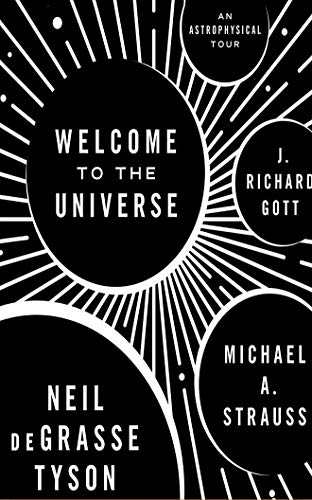
42. Welcome to the Universe: An Astrophysical Tour by Neil deGrasse Tyson, Michael A. Strauss, and J. Richard Gott
Welcome to the Universe is a comprehensive tour of the cosmos by three of the leading voices in astrophysics. The book covers a wide range of topics, including the size and scale of the universe, stars and galaxies, the mysteries of dark matter and dark energy, and the concept of time travel.
 AmazonWelcome to the UniverseView on Amazon →
Its engaging and accessible approach makes it a perfect introduction to the universe.
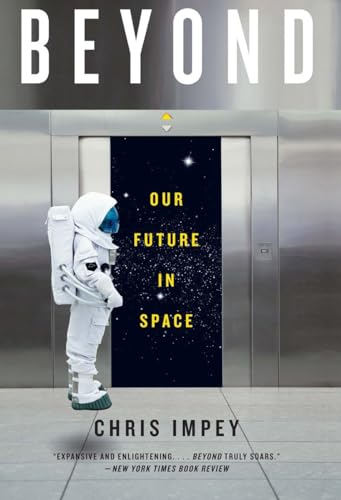
43. Beyond: Our Future in Space by Chris Impey
Beyond: Our Future in Space offers a vision of humanity’s future in space. Impey, a distinguished astronomy professor, examines the history of space travel and looks forward to the possibilities of space tourism, asteroid mining, and colonizing other planets.
 AmazonBeyond: Our Future in SpaceView on Amazon →
He blends scientific facts with a clear and engaging writing style, making this book an insightful read for anyone interested in the future of space exploration.
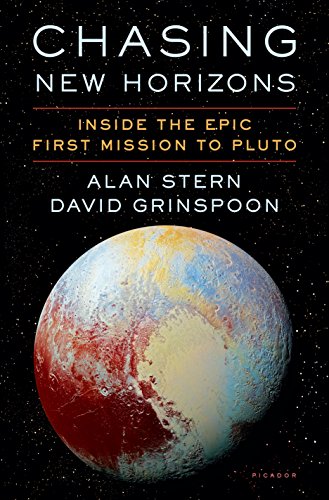
44. Chasing New Horizons: Inside the Epic First Mission to Pluto by Alan Stern and David Grinspoon
Chasing New Horizons recounts the exciting journey of the New Horizons mission, the first spacecraft to visit Pluto.
 AmazonChasing New HorizonsView on Amazon →
Co-authored by the mission’s principal investigator, Alan Stern, and planetary scientist David Grinspoon, the book provides an insider’s view into the challenges, triumphs, and scientific discoveries of this groundbreaking mission. The authors’ passion for space exploration shines through, making this a thrilling read.
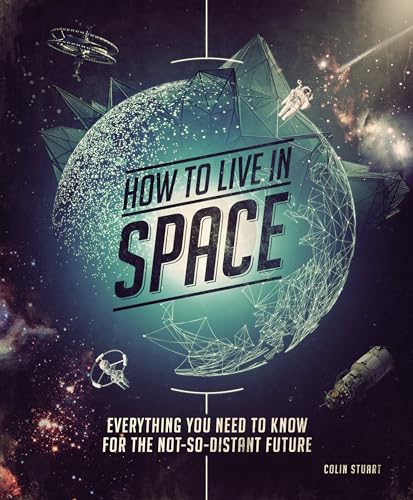
45. How to Live in Space: Everything You Need to Know for the Not-So-Distant Future by Colin Stuart
In How to Live in Space, Colin Stuart provides a practical guide for life beyond Earth. He explores the scientific, logistical, and psychological challenges of living in space, including how to train for space travel, what to eat, how to do chores, and how to stay healthy.
 AmazonHow to Live in SpaceView on Amazon →
The book is a fun and informative primer for anyone curious about the realities of becoming a spacefarer.
46. The Search for Life on Mars: The Greatest Scientific Detective Story of All Time by Elizabeth Howell and Nicholas Booth
The Search for Life on Mars provides a comprehensive chronicle of the quest to find life on our neighboring planet. The book covers the history of Mars exploration, the various robotic missions sent to the planet, and the ongoing search for evidence of past or present life.
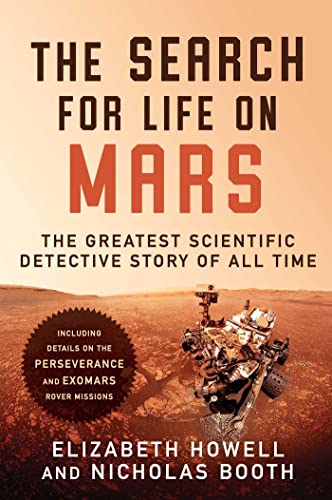 AmazonSearch for Life on MarsView on Amazon →
Howell and Booth’s well-researched narrative offers an exciting insight into this fascinating area of planetary science.
47. The End of Everything (Astrophysically Speaking) by Katie Mack
The End of Everything by astrophysicist Katie Mack explores the various scenarios that could lead to the universe’s end.
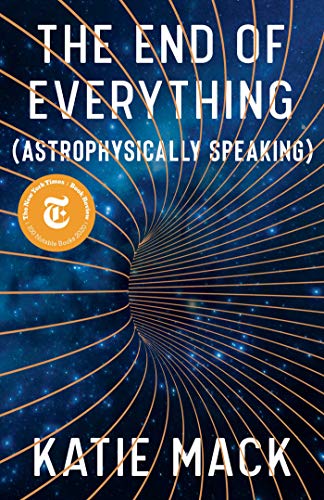 AmazonThe End of EverythingView on Amazon →
From the Big Crunch to the Heat Death, the Vacuum Decay, and the Big Rip, Mack provides an engaging and accessible exploration of these complex and often mind-boggling theories, offering readers a glimpse into the far future of our universe.
48. Rocket Men: The Daring Odyssey of Apollo 8 and the Astronauts Who Made Man’s First Journey to the Moon by Robert Kurson
Rocket Men recounts the thrilling story of the Apollo 8 mission, the first manned spacecraft to leave Earth’s orbit and circle the Moon.
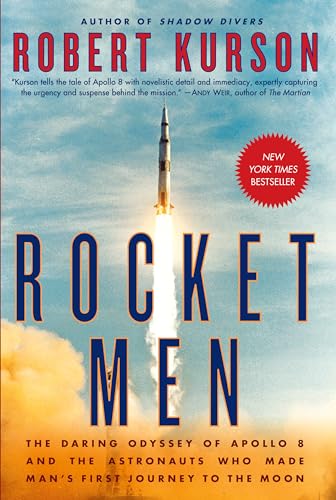 AmazonRocket MenView on Amazon →
Robert Kurson details the intense preparations and breathtaking moments of the mission, capturing the human drama and technological marvel of this landmark in space history.
The book is a testament to the courage and determination of the Apollo 8 astronauts and the dedicated team behind their mission.
49. The Future of Humanity: Terraforming Mars, Interstellar Travel, Immortality, and Our Destiny Beyond Earth by Michio Kaku
In The Future of Humanity, physicist Michio Kaku explores the scientific advancements that could propel humanity into the stars.
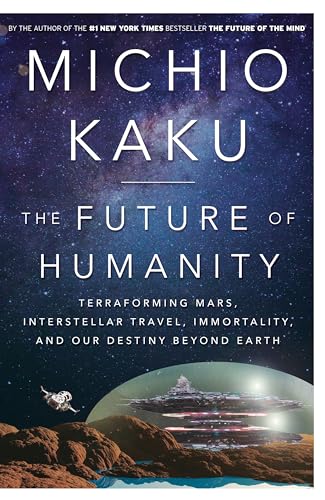 AmazonThe Future of HumanityView on Amazon →
From terraforming Mars to interstellar travel and even immortality, Kaku provides a speculative yet scientifically grounded look at our potential future. His imaginative approach makes this a fascinating read for anyone interested in the destiny of our species.
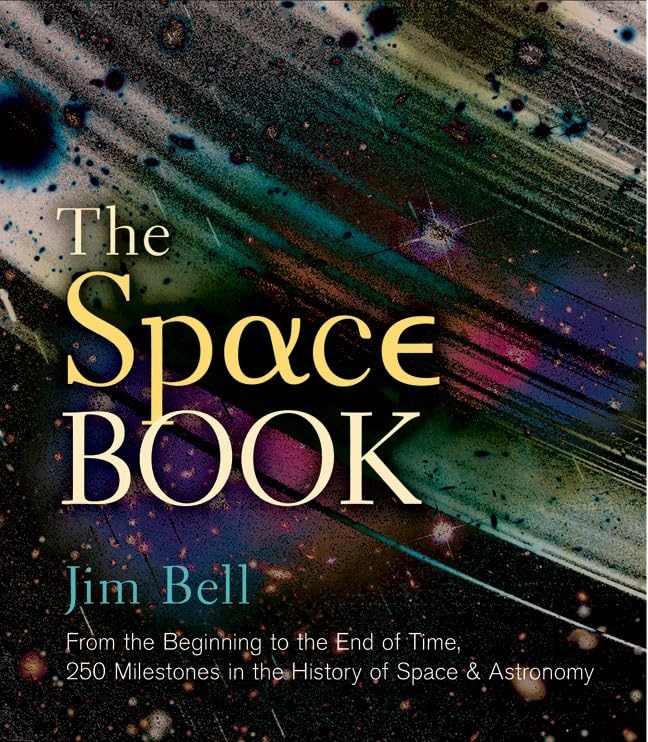
50. The Space Book: From the Beginning to the End of Time, 250 Milestones in the History of Space & Astronomy” by Jim Bell
The Space Book presents 250 of the most significant events in the history of astronomy and space exploration, from the formation of galaxies to the latest discoveries of exoplanets.
 AmazonThe Space BookView on Amazon →
Each entry includes a concise yet informative explanation accompanied by photographs and illustrations. Jim Bell’s comprehensive and visually appealing book provides a chronological journey through our understanding of the cosmos.
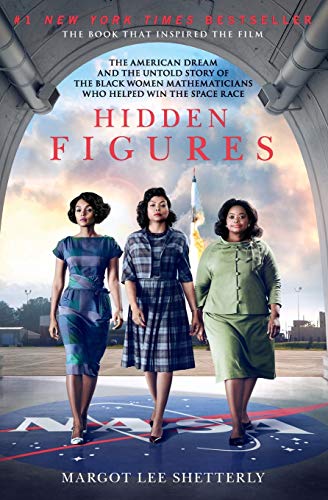
51. Hidden Figures: The American Dream and the Untold Story of the Black Women Mathematicians Who Helped Win the Space Race by Margot Lee Shetterly
Hidden Figures reveals the inspiring story of African American women mathematicians who played a crucial role in NASA’s space program.
 AmazonHidden FiguresView on Amazon →
Despite facing both racial and gender discrimination, these women made significant contributions to several key missions, including the Apollo moon landing.
Margot Lee Shetterly’s book is a powerful testament to their talent, perseverance, and the impact they made on the history of space exploration.
52. The Martian by Andy Weir
The Martian is a gripping survival tale set on Mars. The novel follows astronaut Mark Watney, who is left stranded by his crew on Mars after they mistakenly believe he got killed in a violent storm.
 AmazonThe MartianView on Amazon →
Using his ingenuity and spirit, Watney must overcome daunting odds to survive and find a way to signal Earth that he is alive. Weir’s meticulously researched and thrilling narrative makes this a must-read for any space and science fiction enthusiast.
53. Star Ware: The Amateur Astronomer’s Guide to Choosing, Buying, and Using Telescopes and Accessories” by Philip S. Harrington
Star Ware is a valuable resource for anyone considering buying a telescope or wanting to get more out of their current equipment. The book provides comprehensive reviews of various types of telescopes, mounts, and accessories and offers advice on how to use them for the best astronomical viewing experience.
 AmazonStar WareView on Amazon →
Harrington’s guide will help you navigate the often confusing world of amateur astronomy equipment.
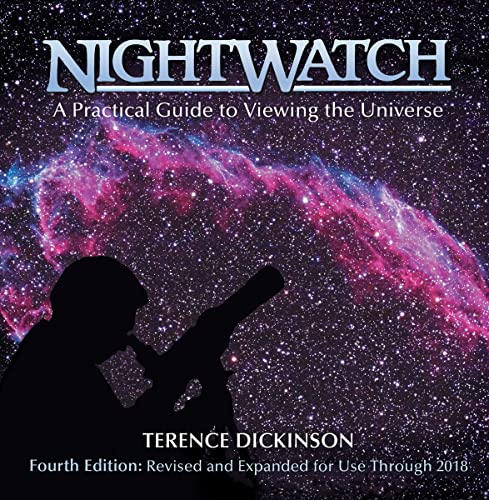
54. NightWatch: A Practical Guide to Viewing the Universe by Terence Dickinson
NightWatch is considered a classic in amateur astronomy literature. The book features easy-to-use star maps, charts, and diagrams and includes a guide to the latest telescopes and equipment.
NightWatch is considered a classic in amateur astronomy literature. The book features easy-to-use star maps, charts, and diagrams and includes a guide to the latest telescopes and equipment.
 AmazonNightWatchView on Amazon →
If you’re a novice just starting out or an experienced stargazer looking for new challenges, Dickinson’s guide has something for you.
55. The Dobsonian Telescope: A Practical Manual for Building Large Aperture Telescopes by David Kriege and Richard Berry
For those interested in building their own telescope, The Dobsonian Telescope: A Practical Manual for Building Large Aperture Telescopes is an invaluable guide. The book provides detailed step-by-step instructions for constructing a large aperture telescope using the Dobsonian design, which is known for its simplicity and low cost.
 AmazonThe Dobsonian Telescope: A Practical Manual for Building Large Aperture TelescopesView on Amazon →
Kriege and Berry’s manual is a must-have for any DIY astronomy enthusiast.
You may also like: How to Motorize a Dobsonian Telescope (Tutorial)
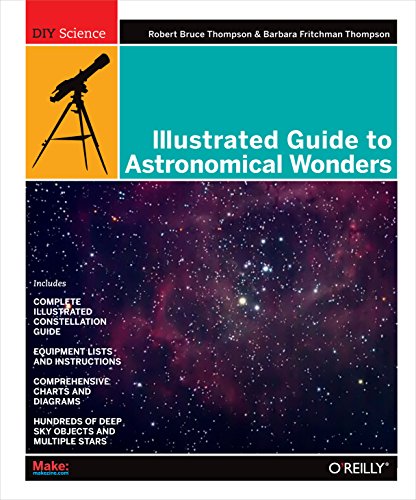
56. Illustrated Guide to Astronomical Wonders: From Novice to Master Observer by Robert Bruce Thompson and Barbara Fritchman Thompson
Illustrated Guide to Astronomical Wonders: From Novice to Master Observer provides a guided tour of the night sky, with detailed descriptions of how to find and observe hundreds of astronomical objects.
Illustrated Guide to Astronomical Wonders: From Novice to Master Observer provides a guided tour of the night sky, with detailed descriptions of how to find and observe hundreds of astronomical objects.
 AmazonIllustrated Guide to Astronomical Wonders: From Novice to Master ObserverView on Amazon →
Each entry includes the object’s size, distance, and structure, as well as history and mythology surrounding it. The authors also provide practical advice on choosing and using telescopes and other equipment. Thompson and Thompson’s guide is an excellent resource for any aspiring astronomer.
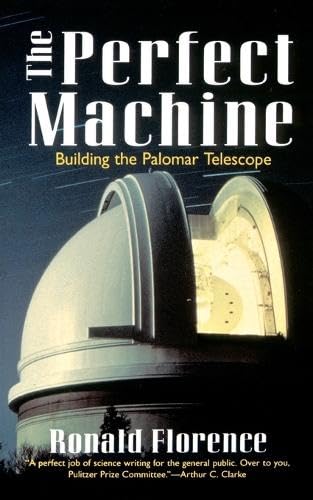
57. The Perfect Machine: Building the Palomar Telescope by Ronald Florence
The Perfect Machine tells the fascinating story of the building of the Palomar Observatory’s 200-inch telescope, which was the world’s largest and most advanced telescope when it was completed in 1948.
The Perfect Machine tells the fascinating story of the building of the Palomar Observatory s 200-inch telescope, which was the world s largest and most advanced telescope when it was completed in 1948.
 AmazonPerfect MachineView on Amazon →
Florence’s book provides an engaging look at the technical challenges, political battles, and human drama that surrounded the construction of this monumental scientific instrument.
Takeaway: Gift yourself the best astronomy, space books and interesting nonfiction about astrophysics
The exploration of space and our understanding of the cosmos have come a long way since Galileo first peered through a telescope.
The exploration of space and our understanding of the cosmos have come a long way since Galileo first peered through a telescope.
These selected books, whether they delve into the dense mysteries of black holes or recount the human experiences of space travel, serve as both a testament to how far we’ve come and a roadmap to the unknown territories we’re yet to uncover. Astronomy books are a valuable resource for those seeking to expand their knowledge and understanding of the universe.
In reading these books, you’re not merely absorbing information – you’re becoming part of an ongoing conversation about our universe, our place in it, and our collective future among the stars.
You may also like: